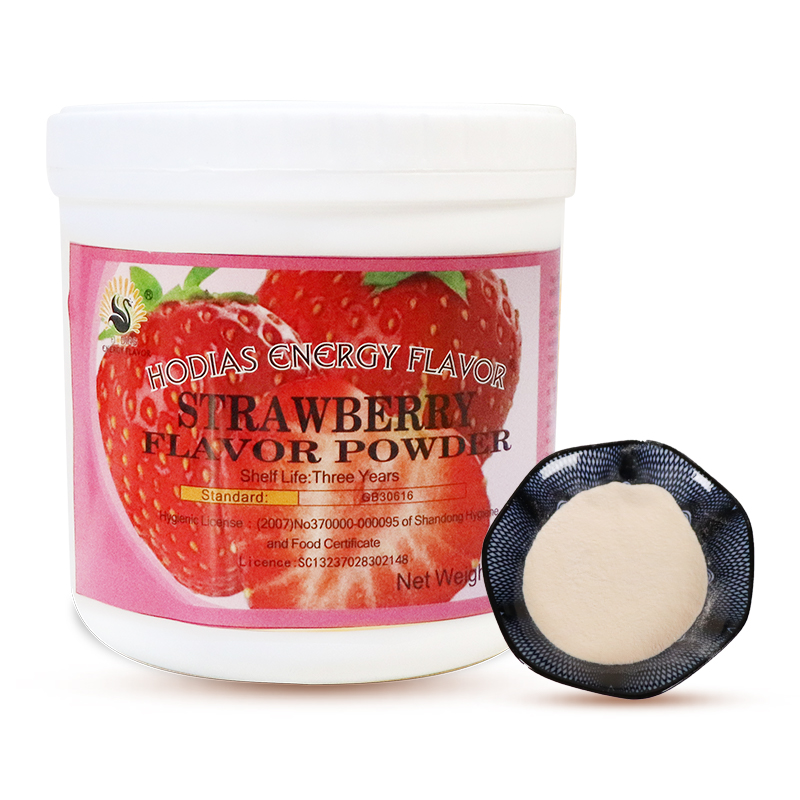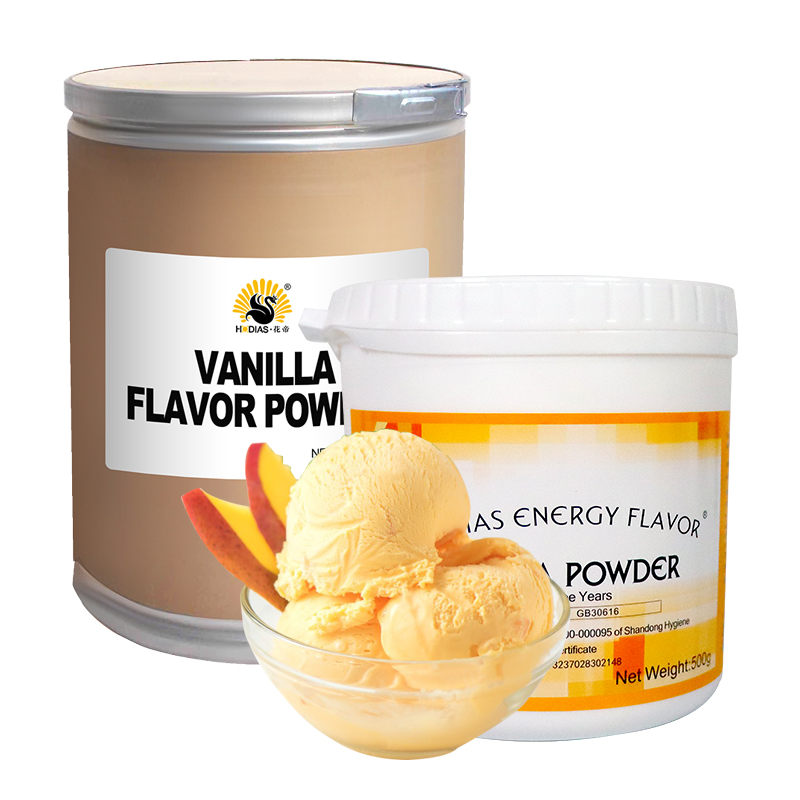
Why Does Powdered Food Flavor Become Weaker During Large-Scale Production?
This issue can affect product consistency, consumer experience, and production efficiency. For food manufacturers, understanding why flavor intensity changes during scale-up is essential to maintaining a consistent product profile.
So, what causes powdered food flavor to become weaker during mass production? The answer may lie in several stages of the manufacturing process, including ingredient weighing, premixing, blending, material transfer, processing, and packaging.
1. Differences Between Laboratory Trials and Large-Scale Production
One of the most common reasons for inconsistent flavor performance is the difference between laboratory equipment and industrial production equipment.
During laboratory testing, small quantities of ingredients are usually mixed under relatively controlled conditions. When production moves to a larger scale, several variables change:
-
Mixing equipment: Industrial mixers may have different mixing mechanisms and efficiency compared with laboratory equipment.
-
Loading capacity: Different filling levels can affect how ingredients move and distribute throughout the mixing system.
-
Mixing time: Using the same mixing time for different batch sizes does not necessarily produce the same mixing results.
-
Ingredient distribution: Differences in particle size, shape, and bulk density may influence how evenly ingredients are distributed.
For example, a powdered flavor that performs well in a 1 kg laboratory trial may not produce exactly the same result in a 100 kg production batch.
Therefore, manufacturers should not simply increase the ingredient quantities and keep all other conditions unchanged. Production parameters should be evaluated and verified according to the actual equipment and process.
2. Incomplete Premixing and Uneven Flavor Distribution
Powdered food flavors are often used in solid beverages, bakery mixes, dairy-based preparations, confectionery, and seasoning products.
In these applications, even distribution is important for achieving consistent flavor intensity.
If the flavor powder is not properly premixed with the base ingredients, some portions of the finished product may contain more flavor than others.
Several factors can contribute to uneven distribution:
-
Insufficient premixing before the main blending process.
-
Inappropriate ingredient addition sequence.
-
Differences in particle size between the flavor powder and other ingredients.
-
Incorrect mixer loading or filling levels.
-
Insufficient or unsuitable mixing conditions.
How can manufacturers improve flavor distribution?
A practical approach is to establish a suitable premixing procedure before adding the flavor to the main production batch.
Manufacturers should also evaluate the mixing conditions and take samples from different production stages to determine whether the flavor is evenly distributed.
3. Material Transfer and Packaging Can Affect Flavor Consistency
Even when the mixing process is satisfactory, flavor consistency may change during material transfer and packaging.
After blending, powdered ingredients may pass through conveying systems, temporary storage containers, buffer hoppers, and filling equipment.
During these stages, differences in particle properties may contribute to powder segregation.
For example, if ingredients have different particle sizes or bulk densities, their distribution may change during transportation or discharge.
This can lead to noticeable differences between the beginning, middle, and end of a packaging run.
To identify the source of the problem, manufacturers should collect separate samples from different production stages:
-
Mixing outlet: Check whether the flavor is evenly distributed after blending.
-
Before packaging: Evaluate whether transportation or temporary storage has changed the powder distribution.
-
Packaging stage: Compare samples from the beginning, middle, and end of the filling process.
Keeping these samples separate makes it easier to identify where flavor consistency begins to change.
4. Processing Temperature and Time May Influence Flavor Performance
Processing conditions are another important consideration when evaluating powdered food flavor performance.
Some food products undergo heating, baking, drying, or other thermal processing steps. Depending on the flavor formulation and application, exposure to heat may change the intensity or balance of the final aroma.
For example:
-
Bakery products: Baking temperature and duration can influence the final aroma profile.
-
Instant beverage powders: Preparation temperature and mixing conditions may affect flavor perception.
-
Confectionery: Heating and cooling conditions should be considered when evaluating flavor performance.
-
Seasoning powders: Subsequent processing and storage conditions may influence the finished product's aroma.
It is important to evaluate flavor performance under the actual processing conditions rather than relying only on room-temperature laboratory samples.
For heat-processed products, manufacturers should work with their flavor supplier to select a suitable flavor formulation based on the intended application and processing requirements.
5. How to Troubleshoot Weak Flavor During Production
When powdered food flavor becomes weaker during large-scale manufacturing, changing the flavor dosage immediately may not be the best solution.
The first step should be to identify where the difference occurs.
A systematic investigation can help manufacturers avoid unnecessary formulation adjustments.
| Observed Problem | Possible Cause | Recommended Check |
|---|---|---|
| The entire batch has weaker flavor | Incorrect dosage or different evaluation conditions | Check actual weighing records and testing conditions |
| Flavor differs between early and late packages | Uneven powder distribution | Compare samples from different packaging stages |
| Mixing outlet samples already show differences | Incomplete blending or unsuitable mixing conditions | Review premixing, loading capacity, and mixing parameters |
| Mixing samples are consistent, but packaged products differ | Material transfer or powder segregation | Inspect conveying systems and buffer hoppers |
| Flavor becomes weaker after heating | Temperature and processing time | Evaluate flavor performance under actual processing conditions |
A useful troubleshooting method is to compare samples from the beginning, middle, and end of production while keeping the testing conditions consistent.
For example, when evaluating a powdered beverage, manufacturers should use the same powder-to-water ratio, water temperature, mixing procedure, and waiting time.
This helps distinguish actual flavor differences from variations caused by sample preparation or sensory evaluation.
6. How Food Manufacturers Can Maintain Consistent Flavor Quality
Maintaining consistent flavor performance requires cooperation between the food manufacturer and the flavor supplier.
Here are several practical recommendations:
1. Standardize the formulation
Use the same approved formula version and verify the actual ingredient quantities for every production batch.
2. Establish a consistent premixing procedure
Define the ingredient addition sequence and suitable mixing conditions according to the production equipment.
3. Validate production parameters
Evaluate mixing time, loading capacity, processing temperature, and material transfer conditions during scale-up.
4. Keep samples from different production stages
Retain samples from the mixing outlet and packaging process to support quality comparison and troubleshooting.
5. Select suitable powdered food flavors
Choose a flavor formulation based on the food application, processing conditions, desired aroma profile, and finished product requirements.
6. Maintain communication with your flavor supplier
When flavor differences occur, provide the product model, batch number, dosage, production records, and samples from the relevant production stages. This information helps the supplier investigate the issue more efficiently.
7. Work with a Reliable Powdered Food Flavor Manufacturer
Choosing the right powdered food flavor is only one part of successful product development. Consistent production also depends on suitable formulation design, application testing, and effective technical communication.
At Hodias Group, we provide powdered food flavor solutions for different food manufacturing applications, helping customers develop products with targeted aroma profiles and application requirements.
Our product development and customization services include:
-
Customized flavor profiles based on product requirements.
-
Powdered food flavor solutions for different food applications.
-
Flavor formulation adjustments for specific processing conditions.
-
Technical support during product development and application testing.
-
Free samples for initial product evaluation.
Whether you are developing a new powdered beverage, bakery product, confectionery item, or seasoning formulation, selecting a suitable flavor solution is an important step toward achieving consistent product quality.
Frequently Asked Questions
Q1: Why does powdered food flavor taste stronger in laboratory tests than in mass production?
Laboratory and industrial production conditions are often different. Variations in mixing equipment, ingredient distribution, loading capacity, processing conditions, and sample preparation may affect the final flavor intensity.
Q2: Does increasing the mixing time always improve flavor distribution?
No. Mixing efficiency depends on the equipment, batch size, loading capacity, and powder characteristics. Manufacturers should determine suitable mixing parameters through production trials rather than assuming that longer mixing always produces better results.
Q3: Can powdered food flavor lose its aroma during transportation and packaging?
Flavor consistency may be affected by powder segregation during material handling and transfer. Differences in particle size and bulk density can contribute to uneven ingredient distribution, making it important to monitor samples throughout the production process.
Q4: How can manufacturers test whether powdered flavor is evenly distributed?
Manufacturers can collect separate samples from the beginning, middle, and end of the mixing and packaging processes. These samples should be evaluated under standardized preparation and sensory testing conditions.
Q5: How do I choose a suitable powdered food flavor for industrial production?
Consider the target food application, desired flavor profile, dosage, processing temperature, manufacturing conditions, and storage requirements. Working with an experienced food flavor manufacturer can help identify a suitable formulation for your product.
The Role of Food Flavors in Ice Cream Manufacturing