Vanilla Flavor Powder: Applications, Benefits, and Baking Tips
 Introduction
Vanilla is one of the most popular flavors in the food industry, valued for its warm sweetness, creamy aroma, and versatility. From freshly baked cakes to ice cream, chocolate, and dessert mixes, vanilla adds depth and balance to a wide variety of food products.
For food manufacturers, vanilla flavor powder offers a convenient way to incorporate a consistent vanilla aroma into dry formulations and baked goods. Its powdered form supports easy blending with other dry ingredients, while its heat-resistant properties make it suitable for many baking applications.
In this article, we explore the key benefits of vanilla flavor powder, its common applications, recommended usage levels, and a practical cake recipe.
What Is Vanilla Flavor Powder?
Vanilla flavor powder is a powdered food flavoring designed to impart a characteristic vanilla aroma and taste to food and beverage products. It features warm, sweet, and creamy notes that complement a broad range of sweet formulations.
Compared with liquid flavorings, the powder format can be particularly convenient for dry mixes, baking premixes, and powdered beverage formulations. It can also be combined with other flavorings to create more complex flavor profiles.
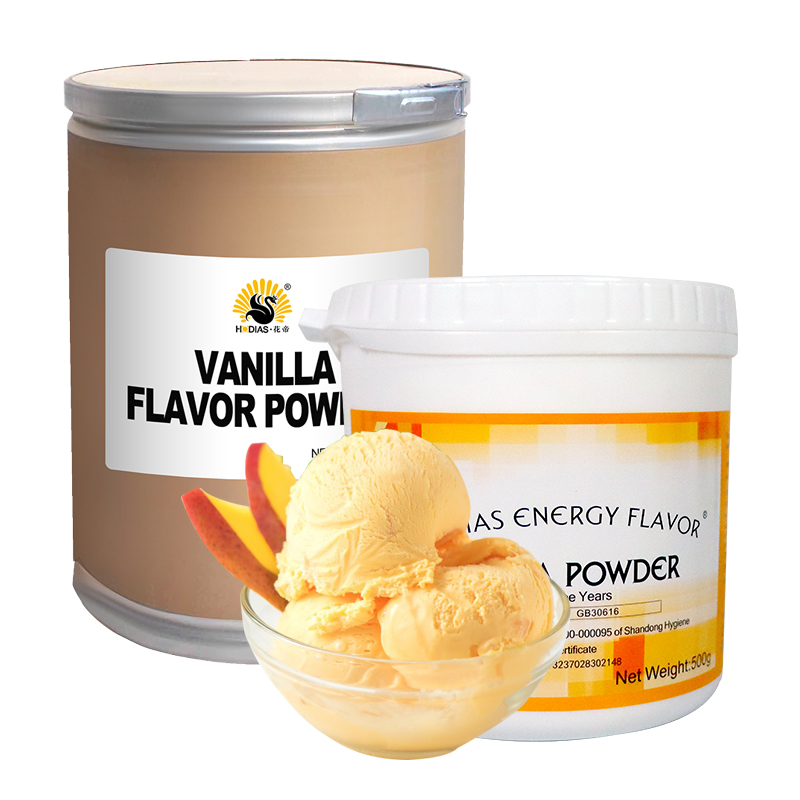
Hodias vanilla flavor powder, model F9028-1T, is designed for applications such as cakes, cookies, pastries, ice cream, yogurt, chocolate, pudding, and beverage powders.
Key Benefits of Vanilla Flavor Powder
1. Classic Sweet and Creamy Aroma
Vanilla provides a familiar, pleasant aroma that enhances the sensory appeal of baked goods and desserts. Its warm sweetness pairs well with ingredients such as butter, milk, chocolate, and fruit flavors.
2. Heat Resistance for Baking
Heat resistance is an important factor when selecting flavorings for cakes, cookies, and pastries. Hodias vanilla flavor powder is suitable for many high-temperature baking applications, helping manufacturers incorporate vanilla notes into products that undergo oven processing.
Actual flavor retention depends on the recipe, baking temperature, processing time, and other ingredients. Application testing is recommended to determine the best dosage and processing conditions.
3. Enhances Flavor Balance
Vanilla does more than contribute its own aroma. It can complement other flavors and help create a more rounded sensory profile.
For example, vanilla can be paired with strawberry to create a creamy fruit profile, with chocolate to add aromatic depth, or with milk and cream flavors to enhance the overall dessert experience.
4. Convenient for Dry Blending
The powdered format makes vanilla flavor powder suitable for blending with flour, sugar, milk powder, and other dry ingredients. Thorough mixing helps distribute the flavoring evenly throughout the formulation.
5. Versatile Across Food Categories
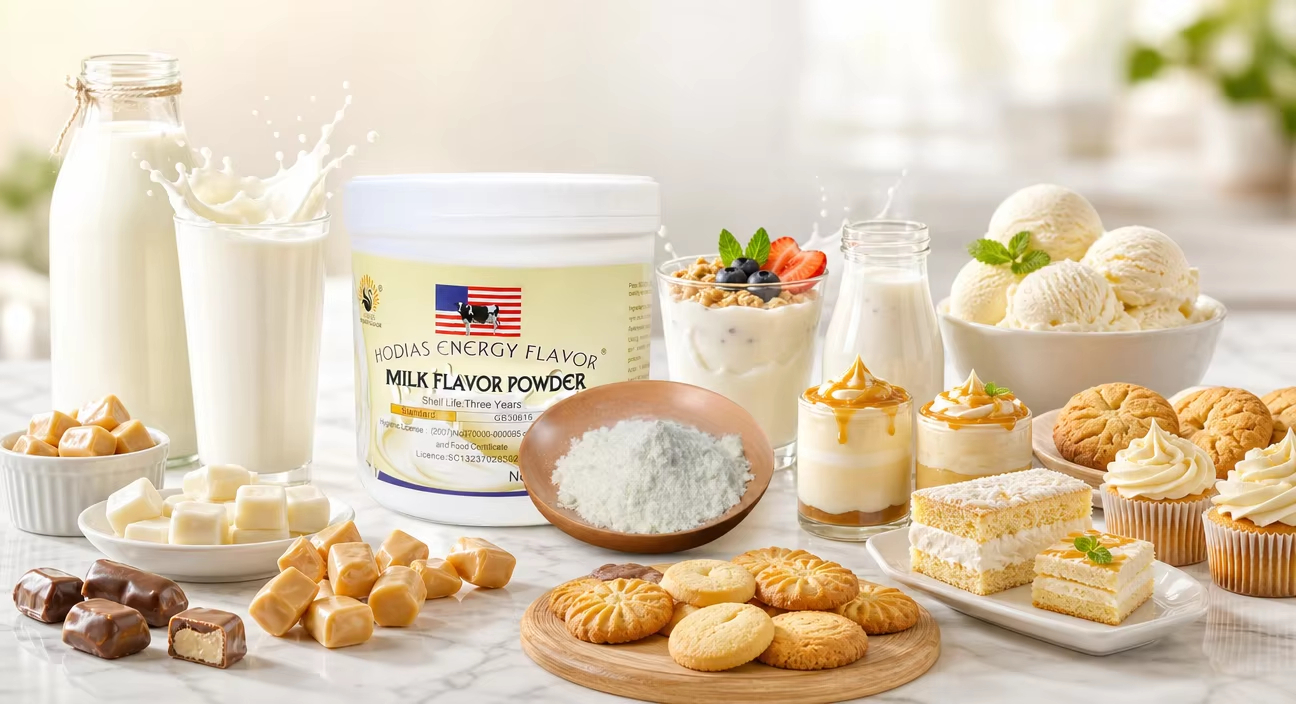
Vanilla flavor powder can be used in a wide range of applications, from traditional bakery products to confectionery, frozen desserts, and powdered beverages. This versatility makes it useful for manufacturers developing multiple vanilla-flavored product lines.
Common Applications of Vanilla Flavor Powder
Bakery Products
Vanilla is widely used in cakes, cookies, muffins, pastries, and other baked goods. It complements buttery and sweet notes while adding a recognizable aroma.
For commercial bakeries, vanilla flavor powder can be incorporated into dry baking mixes or added during batter preparation according to the formulation requirements.
Ice Cream and Frozen Desserts
Vanilla is a classic flavor for ice cream, frozen desserts, and dessert bases. Vanilla flavor powder helps develop a characteristic vanilla aroma that complements creamy formulations.
Yogurt and Pudding
In yogurt-style products, puddings, and dessert mixes, vanilla can add aromatic depth and balance fruity or dairy-related flavor notes.
Chocolate and Confectionery
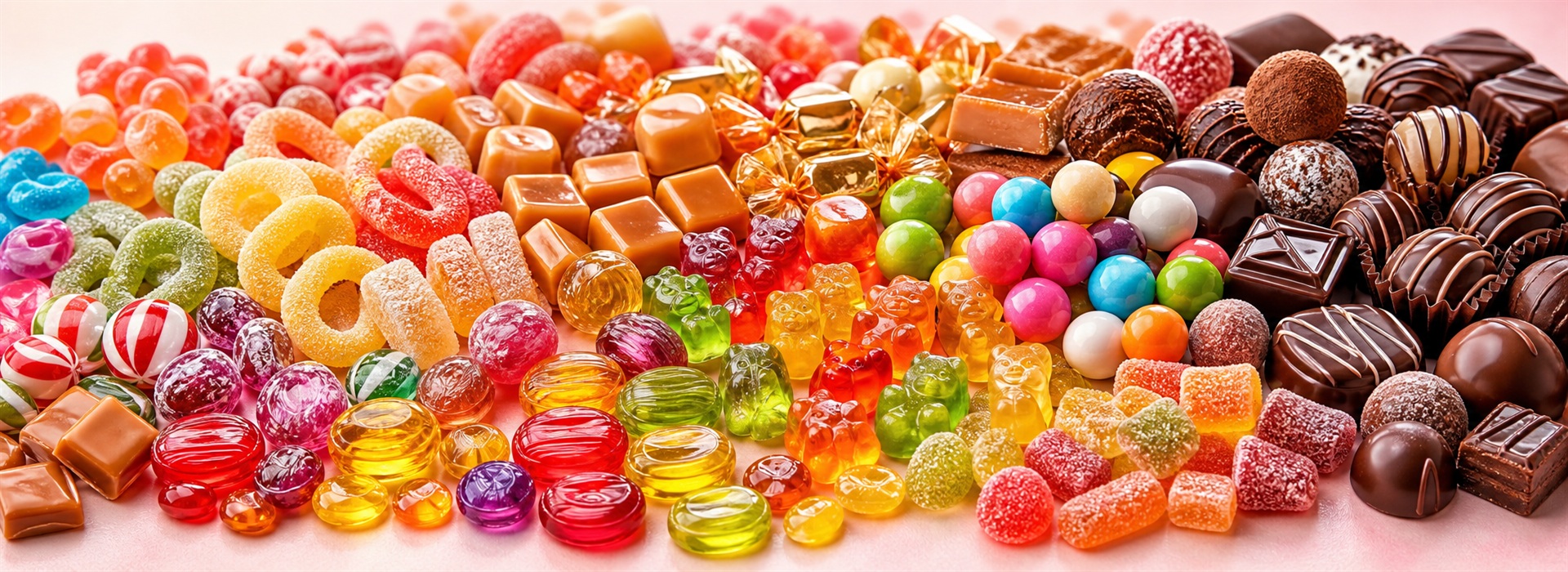
Vanilla pairs naturally with chocolate, making it suitable for chocolate-flavored desserts, candies, fillings, and other confectionery products.
Powdered Beverages
Vanilla flavor powder can be used in selected instant beverage mixes, milk-based drink powders, and dessert beverages to create a warm, sweet flavor profile.
Multi-Layer Flavor Formulations
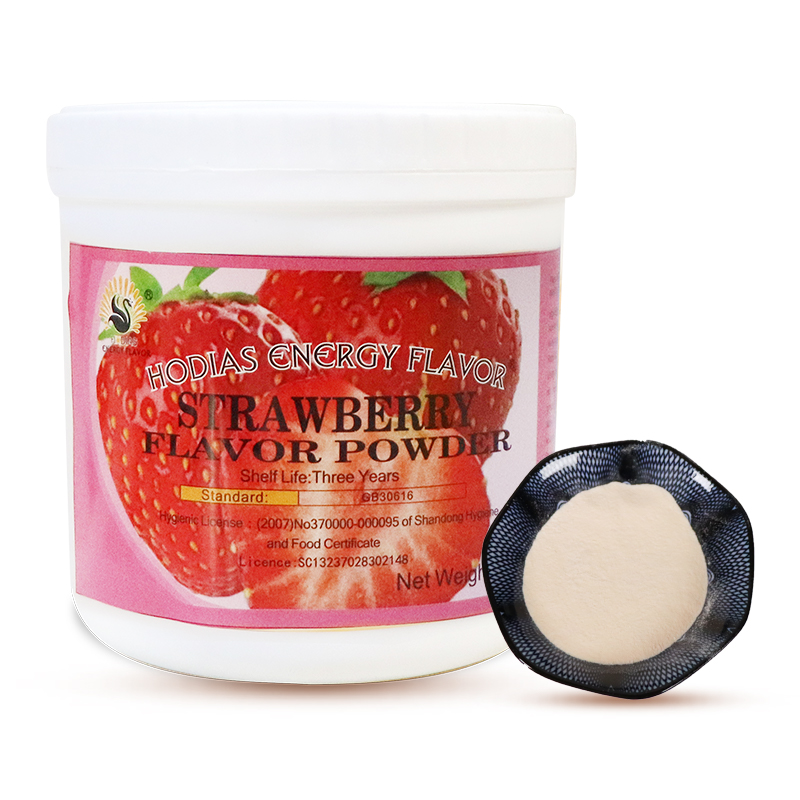
Vanilla also works well in combination with other food flavorings. Manufacturers can combine it with strawberry, chocolate, coffee, or milk flavors to develop distinctive products tailored to their target markets.
Recommended Dosage and Usage
The recommended usage level for Hodias vanilla flavor powder F9028-1T is approximately 0.1%–0.7%, depending on the application and desired flavor intensity.
For dry formulations, the flavor powder can be mixed directly with flour, sugar, milk powder, or other dry ingredients. It can be used alone or combined with other compatible flavorings.
For optimal results:
-
Start with a low dosage and adjust gradually.
-
Blend thoroughly with the other ingredients.
-
Evaluate the aroma and taste after processing.
-
Test combinations with complementary flavors when developing new formulations.
The ideal dosage may vary according to the product category, ingredient composition, and processing conditions.
Example Application: Vanilla Cake
Instead of fast food fashion concept, vetiver is based on the idea of the wearer, not limited to the scope of age or season. At every time of the day, every region and every place can freely change and connect smoothly. Vetiver skillfully combines leisure style and soft multi-functional materials to create a clothing piece valued by fearless and confident women.
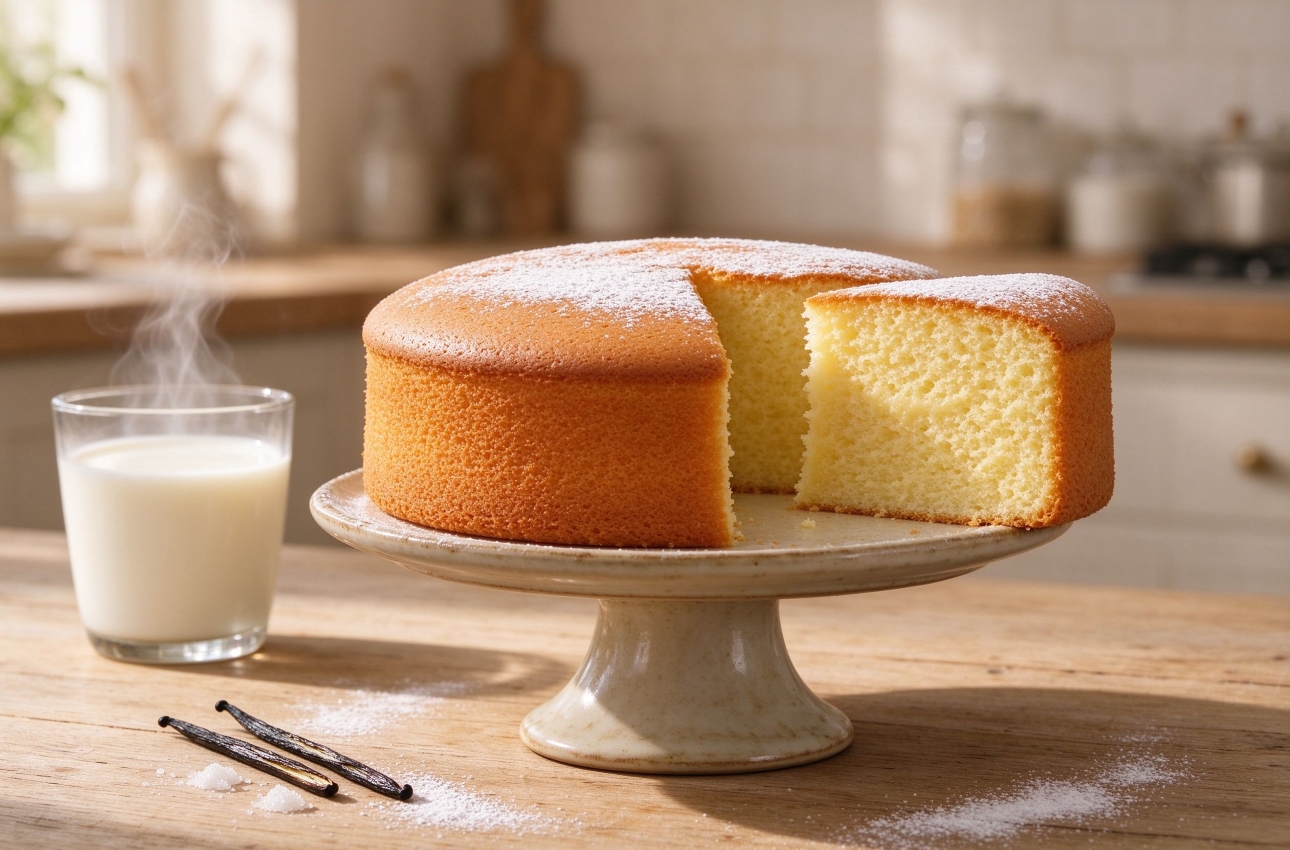
Vanilla flavor powder can be incorporated into a sponge-style cake to enhance its sweet, creamy aroma. The following recipe provides a starting point for application testing.
Ingredients
-
Cake flour: 180 g
-
Baking powder: 4 g
-
Vanilla flavor powder: 1–2 g
-
Butter: 50 g
-
Granulated sugar: 150 g
-
Eggs: 4
-
Milk: 40 ml
Note: The 1–2 g flavoring quantity is a recipe-specific starting point. Confirm the final dosage through testing and follow the product's recommended usage level.
Preparation Method
Step 1: Prepare the oven and mold
Preheat the oven to 170°C. Prepare an 8-inch cake mold by lining it with baking paper or applying a suitable release treatment.
Step 2: Whip the eggs and sugar
Place the eggs and sugar in a heat-resistant mixing bowl. Whip them over gently warmed water until the mixture becomes thick, pale, and significantly increased in volume. When the batter is lifted, a figure-eight pattern should remain visible briefly on the surface.
Step 3: Add the vanilla flavor powder
Add the vanilla flavor powder and mix gently until evenly incorporated.
Step 4: Fold in the dry ingredients
Sift the cake flour and baking powder together. Gradually fold the dry ingredients into the egg mixture, taking care not to deflate the batter.
Step 5: Incorporate the butter and milk
Melt the butter and allow it to cool to approximately 40°C. Combine it with the milk, then slowly pour the mixture along the side of the bowl while gently folding until incorporated.
Step 6: Bake the cake
Pour the batter into the prepared mold. Bake at 170°C for approximately 35–40 minutes, adjusting the time according to the oven and mold. Insert a bamboo skewer into the center; the cake is ready when it comes out without wet batter.
Step 7: Cool and serve
Allow the cake to cool before removing it from the mold. The vanilla flavor can also be paired with strawberry, chocolate, or other compatible flavorings to create different cake profiles.
Expected Results
The finished cake should have a warm vanilla aroma that complements its buttery sweetness. Vanilla flavor powder can also help create a more rounded overall flavor profile, depending on the formulation and dosage.
This recipe is intended as a practical starting point. Final texture and flavor may vary with ingredient quality, mixing technique, oven performance, and the characteristics of the flavoring used.
How to Choose Vanilla Flavor Powder for Food Manufacturing
When sourcing vanilla flavor powder for commercial production, food manufacturers should consider the following factors:
-
Flavor profile: Choose a vanilla aroma that matches the target product, such as cakes, chocolate, beverages, or frozen desserts.
-
Heat resistance: Evaluate flavor performance under the actual baking or processing conditions.
-
Recommended dosage: Confirm the suitable usage level for the intended formulation.
-
Mixing performance: Check whether the powder can be distributed evenly throughout the product.
-
Supply reliability: Choose a manufacturer that can support consistent quality and repeat orders.
-
Customization capabilities: Consider whether the supplier can help develop a specific vanilla profile or flavor combination.
These factors help product developers select a suitable flavoring for their production processes and target markets.
Why Choose Hodias Group?
Hodias Group has more than 30 years of experience in the food industry, supplying flavor solutions for food manufacturers, distributors, and brands.
Our capabilities include:
-
A professional R&D and design team of over 60 specialists
-
Customized flavor development for different food applications
-
Formula, taste, and packaging customization
-
Free samples for evaluation, with shipping costs paid by the buyer
-
SGS-verified manufacturing facilities
-
OEM and ODM support for food manufacturers and brands
Whether you are developing bakery products, confectionery, powdered beverages, or frozen desserts, Hodias Group can help you evaluate flavor solutions suited to your formulation and production needs.
Conclusion
Vanilla flavor powder is a versatile ingredient for enhancing the aroma and flavor balance of cakes, cookies, pastries, ice cream, chocolate, puddings, and powdered beverages. Its warm, sweet, creamy profile makes it suitable for both standalone vanilla products and multi-layer flavor formulations.
Hodias vanilla flavor powder F9028-1T is recommended at 0.1%–0.7%, depending on the application. With proper dosage selection and application testing, manufacturers can develop appealing vanilla-flavored products for different markets.
Looking for a vanilla flavor solution for your food products? Contact Hodias Group to discuss your application requirements and request a sample for evaluation.
Frequently Asked Questions
1. What is vanilla flavor powder used for?
Vanilla flavor powder is commonly used in cakes, cookies, pastries, ice cream, yogurt, chocolate, pudding, and powdered beverage mixes.
2. What is the recommended dosage of vanilla flavor powder?
For Hodias vanilla flavor powder, the recommended usage level is approximately 0.1%–0.7%. The appropriate dosage depends on the formulation and desired flavor intensity.
3. Can vanilla flavor powder be used in baking?
Yes. It is suitable for many bakery applications, including cakes, cookies, and pastries. Manufacturers should test the flavoring under their intended baking conditions.
4. Can vanilla flavor powder be combined with other flavors?
Yes. Vanilla can complement strawberry, chocolate, coffee, and milk flavors, helping manufacturers develop more complex flavor profiles.
5. How should vanilla flavor powder be stored?
Store it away from direct light and moisture. Follow the product label for specific storage instructions.
6. How can food manufacturers source vanilla flavor powder in bulk?
Food manufacturers can contact Hodias Group to discuss product specifications, bulk supply requirements, samples, and OEM/ODM customization options.
How Strawberry Flavor Powder Enhances Bakery and Food Products
Food Flavor Solutions For Candy And Confectionery