How Ethyl Maltol Improves Sweetness And Aroma Perception
Ethyl maltol is a widely used flavor enhancer in the food industry. Although it is used in very small amounts, it can significantly improve the overall sensory experience of many food and beverage products.
Known for its sweet, caramel-like aroma, ethyl maltol helps enhance flavor perception, improve aroma balance, and create a fuller taste profile in a wide range of applications.
What Is Ethyl Maltol?
Ethyl maltol is a flavor enhancer commonly used in food manufacturing. It appears as a white crystalline powder and is valued for its ability to strengthen aroma and improve the perception of sweetness.
Because of its high effectiveness at low dosage levels, ethyl maltol is frequently incorporated into formulations for confectionery, beverages, bakery products, dairy products, and seasonings.
How Ethyl Maltol Enhances Sweetness Perception
Ethyl maltol does not function as a sweetener. Instead, it enhances the way sweetness is perceived by consumers.
When used appropriately, it can:
-
Improve overall flavor balance
-
Enhance sweet aroma notes
-
Increase flavor richness
-
Create a smoother taste profile
-
Support a more pleasant sensory experience
By strengthening aroma and flavor interactions, ethyl maltol can help products deliver a fuller and more satisfying taste.
The Relationship Between Aroma And Taste
Consumer perception of flavor is influenced by both taste and aroma.
Aroma compounds play an important role in how sweetness is experienced. Ethyl maltol contributes a sweet, caramel-like aroma that can complement other flavor ingredients and make products seem richer and more flavorful.
This effect makes ethyl maltol a valuable ingredient in many food formulations where flavor enhancement is desired.
How Ethyl Maltol Improves Aroma Performance
In addition to enhancing sweetness perception, ethyl maltol can improve overall aroma quality by:
-
Increasing aroma intensity
-
Rounding harsh flavor notes
-
Improving flavor harmony
-
Supporting flavor retention during processing
-
Enhancing the overall sensory profile
These benefits help manufacturers achieve more consistent and appealing products.
Common Applications Of Ethyl Maltol
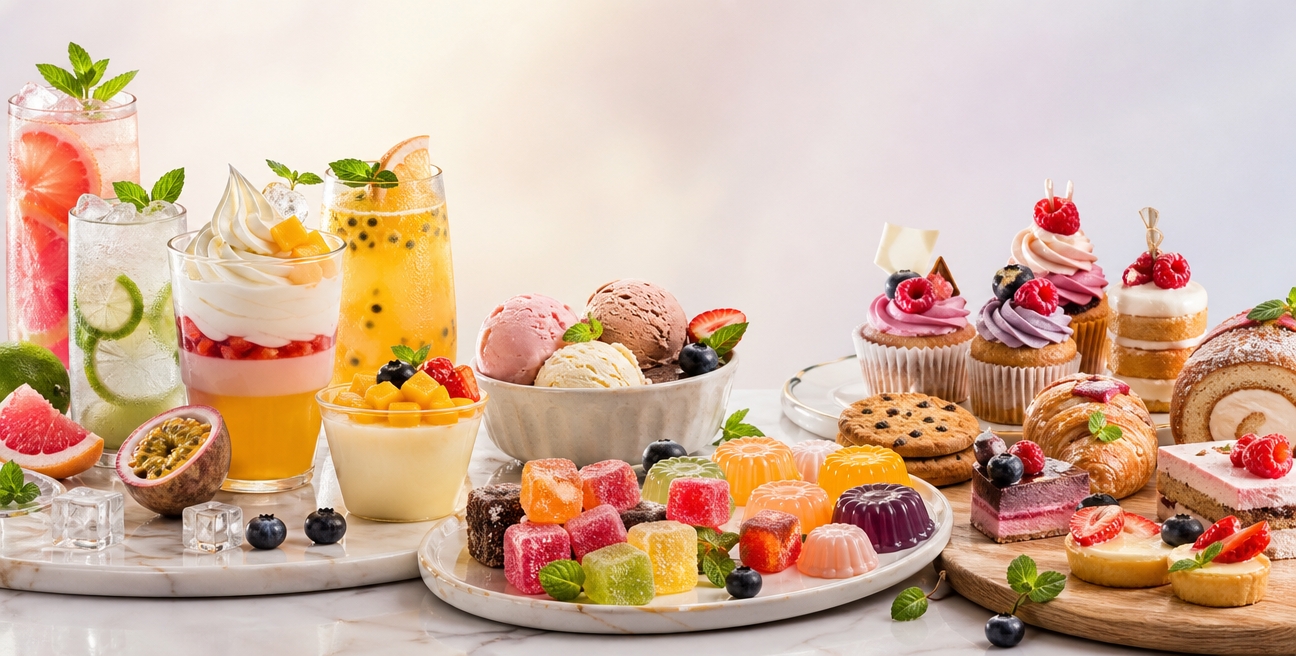
Ethyl maltol is widely used across different food categories, including:
Confectionery Products
-
Hard candies
-
Gummies
-
Chocolate products
-
Toffees
Bakery Products
-
Cakes
-
Cookies
-
Pastries
-
Sweet fillings
Dairy Products
-
Flavored milk
-
Ice cream
-
Yogurt
-
Dairy desserts
Beverage Products
-
Instant beverage powders
-
Milk-based drinks
-
Fruit-flavored beverages
Seasonings And Sauces
-
Compound seasonings
-
Savory flavor systems
-
Sauce formulations
Its versatility makes it one of the most commonly used flavor enhancers in food manufacturing.
Factors To Consider When Using Ethyl Maltol
When incorporating ethyl maltol into a formulation, manufacturers should consider:
-
Product type
-
Flavor profile
-
Processing conditions
-
Dosage requirements
-
Regulatory requirements in target markets
Application testing is recommended to determine the most suitable usage level for each product.
Choosing High-Quality Ethyl Maltol
Consistent quality is essential for achieving reliable flavor performance.
High-purity ethyl maltol can help manufacturers achieve:
-
Stable flavor enhancement
-
Consistent aroma performance
-
Reliable production results
-
Improved product quality
HD-6 Ethyl Maltol From Hodias Group
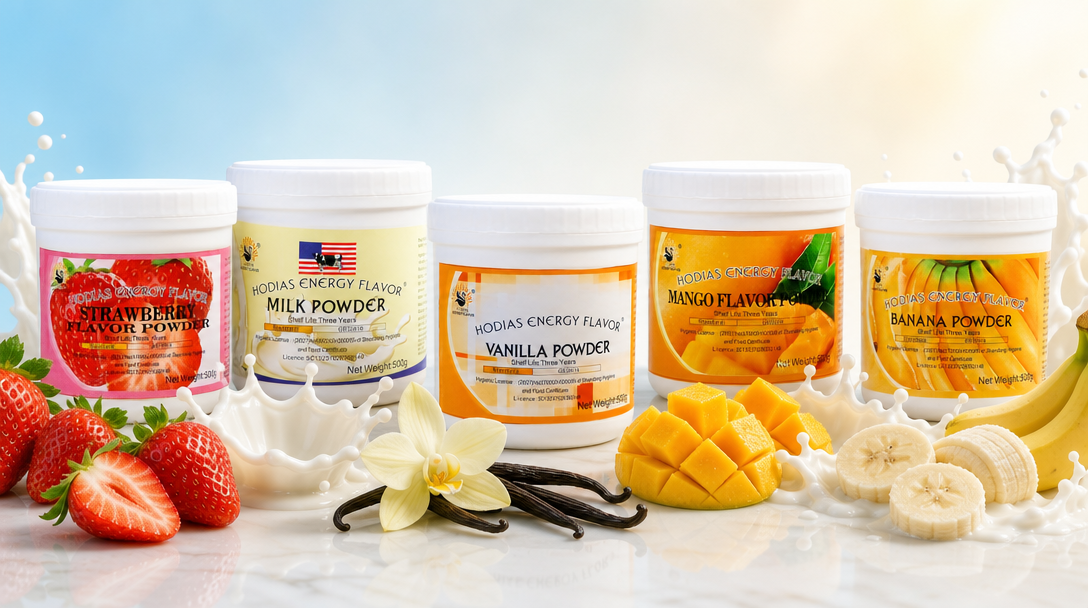
Hodias Group supplies HD-6 Ethyl Maltol with a purity of ≥99.5%, designed for food manufacturing applications. It delivers excellent flavor enhancement performance and is suitable for confectionery, bakery, dairy products, beverages, seasonings, and more.
Supported by our professional R&D team, we can assist customers in selecting suitable flavor solutions for their specific applications.
Contact us today to request a free sample or learn more about our food ingredient solutions.
How Banana Flavor Is Used In Modern Food Manufacturing