Chocolate Liquid Flavor: Applications, Dosage, and a Chocolate Mousse Recipe
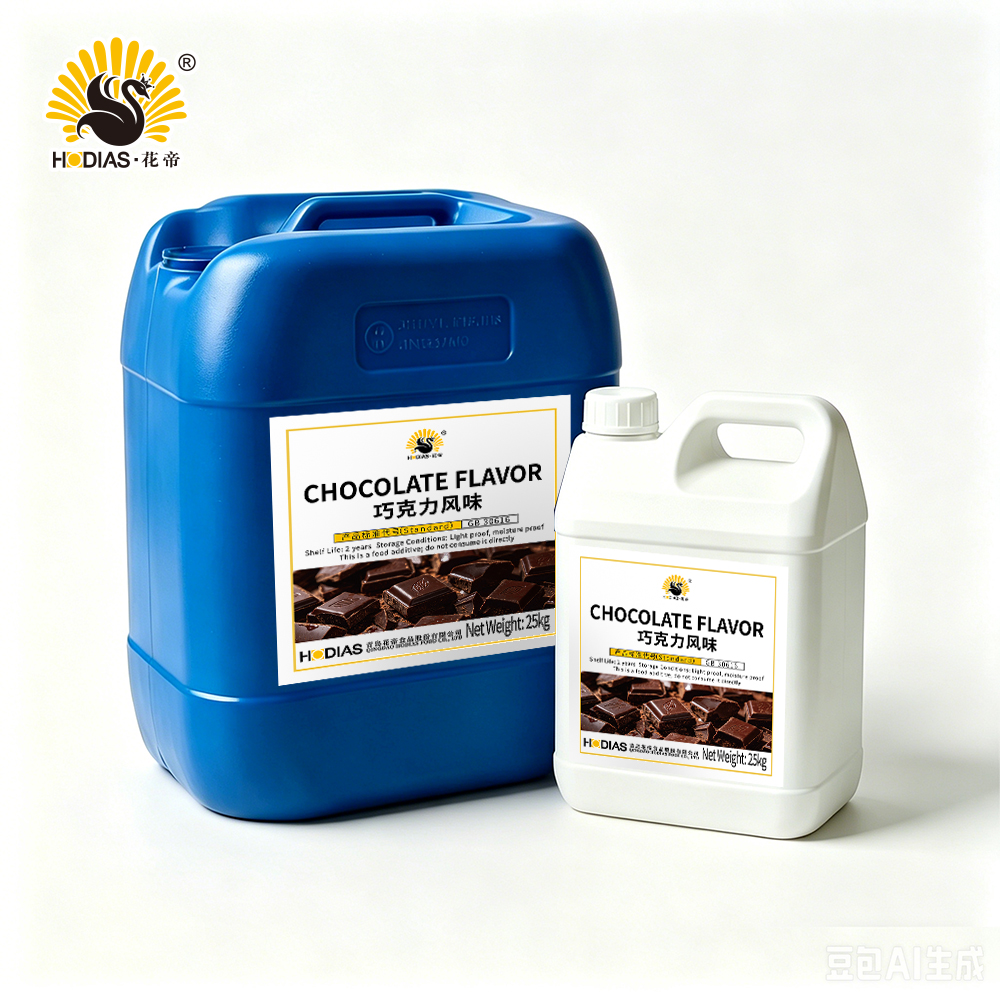
Chocolate Liquid Flavor for Food and Beverage Manufacturing
Chocolate is a popular flavor profile in beverages, frozen desserts, bakery fillings, mousse, and a wide range of sweet food products. Its deep cocoa character can add richness and complexity to formulations, making it a versatile option for food manufacturers.
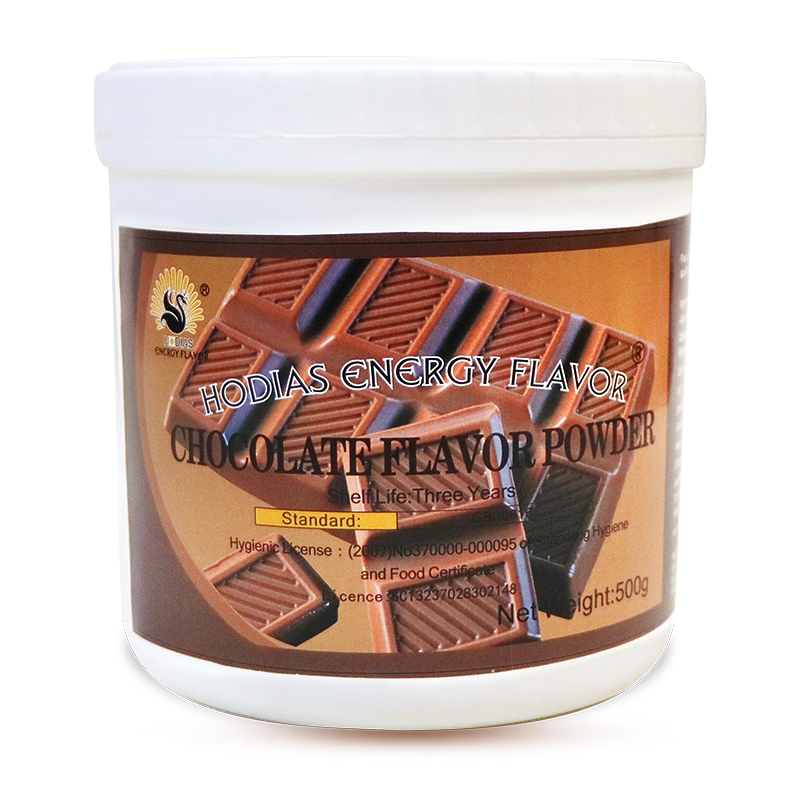
Chocolate liquid flavor is designed to deliver a smooth, rich chocolate-inspired aroma and flavor profile in suitable food formulations. Its liquid format can be convenient for incorporating flavor into compatible liquid mixtures, creams, fillings, and dessert bases.
In this article, we explore the characteristics, applications, recommended dosage, and usage of chocolate liquid flavor, along with a chocolate mousse cake recipe for product development and culinary trials.
What Is Chocolate Liquid Flavor?
Chocolate liquid flavor is a liquid food flavoring ingredient developed to provide a chocolate-inspired flavor profile. It can be evaluated in suitable formulations where a rich cocoa-like note is desired, including beverages, ice cream, bakery fillings, mousse, and sauces.
Chocolate liquid flavor primarily contributes flavor. It should not be treated as a direct replacement for cocoa powder or chocolate, which also contribute solids, color, fat, texture, and other functional properties to a recipe.
Key Characteristics of Chocolate Liquid Flavor
-
Rich chocolate profile: Helps create a deep chocolate-inspired aroma and flavor.
-
Smooth flavor character: Suitable for formulations seeking a rounded chocolate note.
-
Versatile applications: Can be evaluated for beverages, ice cream, dairy products, fillings, mousse, and sauces.
-
Flexible dosage: Application-specific starting ranges allow manufacturers to adjust flavor intensity.
-
Convenient liquid format: Can be incorporated into compatible liquid or semi-liquid formulations.
Applications of Chocolate Liquid Flavor
Chocolate liquid flavor can be considered for a variety of food manufacturing applications.
1. Chocolate Beverages
Chocolate liquid flavor can be evaluated for chocolate-flavored drinks, beverage bases, and selected ready-to-drink formulations. It may also be combined with milk or vanilla flavor to create a fuller chocolate profile.
For beverage applications, consider the formulation's fat content, sweetness, acidity, and preparation method. Confirm that the flavor is compatible with the intended liquid system and evaluate dispersion and flavor stability before commercial production.
2. Ice Cream and Frozen Desserts
Chocolate is a familiar flavor in ice cream and frozen desserts. Chocolate liquid flavor can be used in suitable formulations to reinforce the chocolate profile alongside cocoa powder or chocolate ingredients.
Because freezing and serving temperature can influence flavor perception, determine the final dosage through trials in the complete frozen dessert formulation.
3. Bakery Fillings and Creams
Chocolate liquid flavor can be evaluated for bakery fillings, cream-based preparations, and other sweet components used in cakes and pastries.
In these applications, the flavoring can complement chocolate, dairy, and vanilla ingredients. Test the finished filling to establish the appropriate dosage and confirm compatibility with the formulation.
4. Chocolate Mousse and Dessert Bases
Chocolate liquid flavor can be considered for mousse, chilled desserts, and other semi-solid preparations. It may help reinforce the chocolate character in formulations that already contain chocolate or cocoa ingredients.
For mousse, incorporate the flavoring at a suitable stage and avoid unnecessary heat exposure. The final dosage should account for the flavor contributed by the chocolate and other ingredients.
5. Chocolate Sauces
Chocolate liquid flavor may be suitable for selected dessert sauces and chocolate-flavored toppings. It can be evaluated in formulations designed for use with cakes, ice cream, and other desserts.
For sauces exposed to heat during preparation or storage, verify the flavor's performance under the intended processing conditions.
Recommended Dosage of Chocolate Liquid Flavor
The following application-specific dosage ranges provide starting points for formulation trials. The final amount depends on the flavoring's concentration, the full formulation, and the desired chocolate intensity.
| Application | Suggested dosage |
|---|---|
| Ice cream and frozen desserts | 0.02%–0.15% |
| Beverages | 0.05%–0.15% |
| Dairy products | 0.025%–0.08% |
| Fillings | 0.06%–0.16% |
These ranges should be checked against the product's technical documentation and applicable food regulations before commercial use.
Tips for Using Chocolate Liquid Flavor
Add at an appropriate stage. The recommended approach is to add the flavoring during the final stage of processing when suitable for the formulation. This may help reduce unnecessary heat exposure.
Start with a lower dosage. Begin within the recommended range, then adjust gradually through sensory evaluation.
Consider existing chocolate ingredients. Cocoa powder and dark chocolate already contribute significant flavor. The amount of added flavoring should reflect their contribution to the finished product.
Explore complementary flavors. Milk and vanilla flavors may help create a fuller, more rounded chocolate profile, depending on the application.
Check compatibility. For beverages, creams, and sauces, verify dispersion, stability, and flavor distribution in the intended formulation.
Storage Recommendations
Store chocolate liquid flavor in a light-protected, moisture-resistant environment. Keep the container tightly closed when not in use and follow the supplier's specific storage instructions.
Chocolate Mousse Cake Recipe Using Chocolate Liquid Flavor
This chocolate mousse cake recipe combines dark chocolate, cream, milk, and chocolate liquid flavor to create a rich chocolate dessert. It can serve as a starting point for culinary trials and formulation development.
Ingredients
-
Whipping cream: 300 g
-
Dark chocolate: 150 g
-
Milk: 100 ml
-
Granulated sugar: 40 g
-
Gelatin sheets: 5 g
-
Chocolate liquid flavor: follow the supplier's recommended dosage for the finished formulation
Dosage note: The supplied recipe suggests 2–2.5 ml of chocolate liquid flavor for approximately 595 g of listed ingredients, excluding the flavoring itself. This is roughly 0.34%–0.42% by volume relative to the listed ingredient mass, assuming a liquid density close to 1 g/ml. This is higher than the general recommended dosage range for dairy products and fillings. Confirm the correct dosage for this particular flavor product before use, especially because dark chocolate already contributes a strong chocolate profile.
Instructions
Step 1: Melt the dark chocolate.
Finely chop the dark chocolate. Heat the milk to approximately 80°C, then pour it over the chopped chocolate. Stir until the chocolate is melted and the mixture is smooth.
Step 2: Add the chocolate liquid flavor.
Allow the chocolate mixture to cool to a suitable temperature according to the flavor product's technical specifications. Add the chocolate liquid flavor at the recommended dosage and mix thoroughly.
Step 3: Whip the cream.
Whip the cream until it reaches a soft-to-medium peak stage, with visible whisk marks while remaining smooth. Avoid overwhipping.
Step 4: Combine the mixtures.
Fold the whipped cream into the chocolate mixture in two batches. Mix gently to maintain a light mousse texture.
Step 5: Add the gelatin.
Soak the gelatin sheets in cold water until softened. Remove excess water and dissolve the gelatin gently according to the manufacturer's instructions. Allow it to cool slightly, then incorporate it evenly into the mousse mixture without letting it set prematurely.
Step 6: Chill until set.
Pour the mixture into the prepared mold. Refrigerate for at least four hours, or until the mousse is set.
Step 7: Decorate and serve.
Unmold carefully. Finish with a chocolate glaze or a light dusting of cocoa powder, if desired.
Notes for Commercial Dessert Development
-
Confirm the appropriate flavor dosage for the complete formulation.
-
Avoid adding the flavoring to an excessively hot mixture unless the product specifications support that process.
-
Ensure the gelatin is distributed evenly to achieve a consistent texture.
-
For commercial production, validate processing conditions, refrigeration requirements, shelf life, and food safety controls.
How to Choose a Chocolate Liquid Flavor Supplier
For food manufacturers and ingredient buyers, choosing a suitable supplier can help improve formulation consistency and simplify product development.
Consider these factors when evaluating chocolate liquid flavor suppliers:
-
Application suitability: Confirm compatibility with beverages, dairy products, frozen desserts, fillings, or sauces.
-
Flavor consistency: Ask about batch-to-batch quality management and product specifications.
-
Technical support: Look for help with dosage evaluation and application trials.
-
Customization options: If your product requires a specific chocolate profile, ask about customized flavor development.
-
Sample evaluation: Test the flavor in your own formulation before moving to commercial production.
Chocolate Liquid Flavor Manufacturer: Hodias Group
Hodias Group has been developing food flavor solutions since 1994, serving food manufacturers and ingredient buyers with a range of food flavor products.
With a dedicated R&D and design team of over 60 professionals, Hodias supports customers with flavor customization and product development based on their application requirements. The company also offers OEM/ODM services and free samples for evaluation, with shipping costs paid by the buyer.
For manufacturers developing chocolate beverages, ice cream, bakery fillings, mousse, or dessert sauces, Hodias Group can discuss flavor requirements and potential customization options.
Contact Hodias Group to discuss your target chocolate profile, application, dosage requirements, and product development needs.
Conclusion
Chocolate liquid flavor offers food manufacturers a flexible option for developing chocolate-flavored beverages, frozen desserts, bakery fillings, mousse, and sauces. Its rich chocolate profile can complement cocoa powder and dark chocolate, allowing manufacturers to adjust the flavor according to the requirements of their formulations.
The appropriate dosage and addition stage depend on the specific flavor product and processing conditions. Start with a small-scale trial, assess the finished product, and confirm compatibility before commercial production.
If you are sourcing chocolate liquid flavor for food manufacturing, contact Hodias Group to discuss your application and flavor customization requirements.
Frequently Asked Questions
1. What is chocolate liquid flavor used for?
Chocolate liquid flavor can be evaluated for beverages, ice cream, dairy products, bakery fillings, mousse, and selected dessert sauces.
2. What is the recommended dosage of chocolate liquid flavor?
The supplied starting ranges are 0.02%–0.15% for ice cream, 0.05%–0.15% for beverages, 0.025%–0.08% for dairy products, and 0.06%–0.16% for fillings. Confirm the dosage for the specific product before use.
3. Can chocolate liquid flavor be used in mousse?
It can be evaluated in suitable mousse formulations. Add it at an appropriate stage according to the product's technical specifications, and account for the chocolate flavor already provided by dark chocolate or cocoa.
4. Can chocolate liquid flavor replace cocoa powder?
No. Chocolate liquid flavor primarily contributes flavor and should not be treated as a direct replacement for cocoa powder, which also contributes color, solids, and other functional properties.
5. When should chocolate liquid flavor be added?
Adding the flavor during a later processing stage may help reduce unnecessary heat exposure. The suitable addition point depends on the formulation and the flavor product's technical specifications.
6. How should chocolate liquid flavor be stored?
Store it in a light-protected, moisture-resistant environment. Keep the container tightly closed and follow the supplier's storage recommendations.
7. Can Hodias Group provide customized chocolate flavor solutions?
Hodias Group offers flavor customization and OEM/ODM services. Contact the team with your target chocolate profile, application, and processing requirements to discuss potential solutions.
Strawberry Liquid Flavor: Applications, Dosage, and a Strawberry Milk Recipe