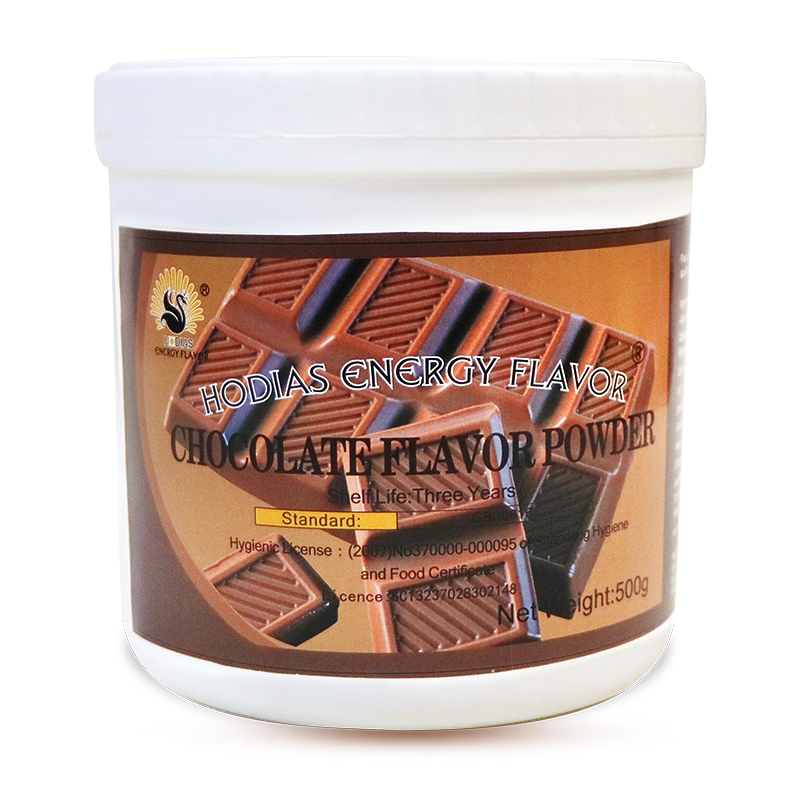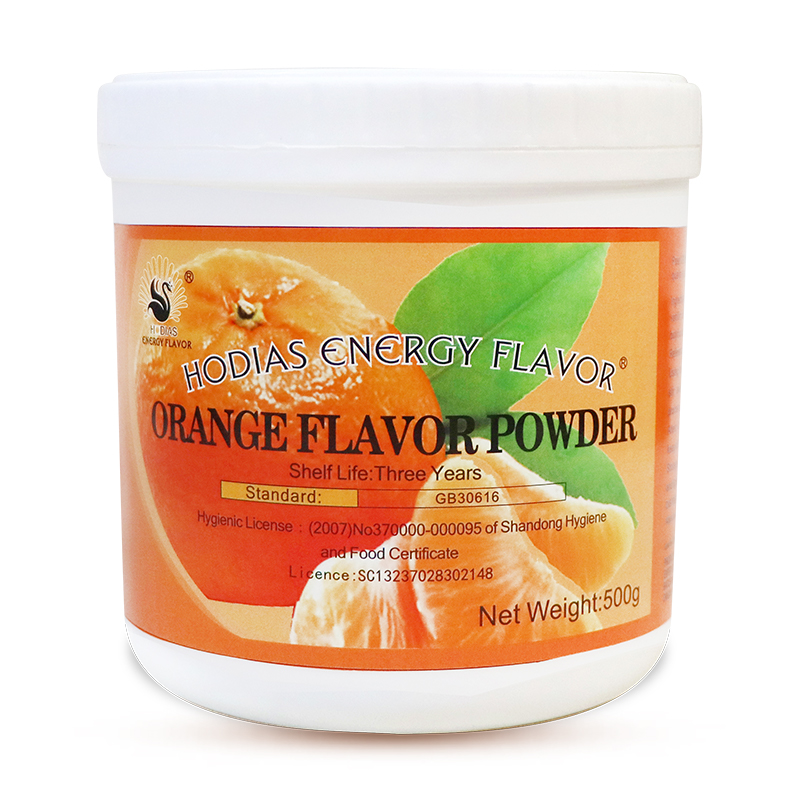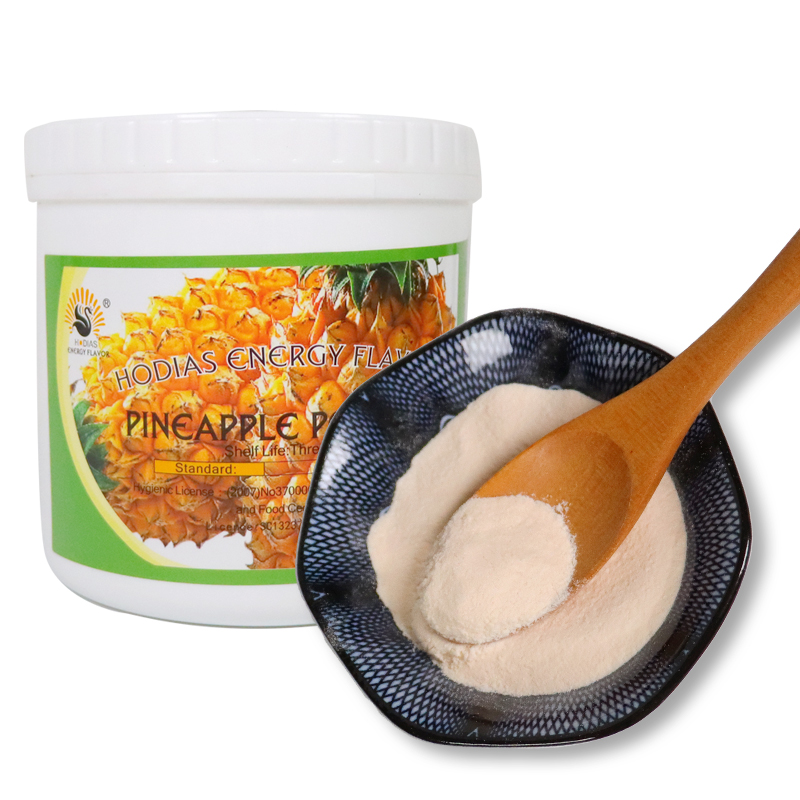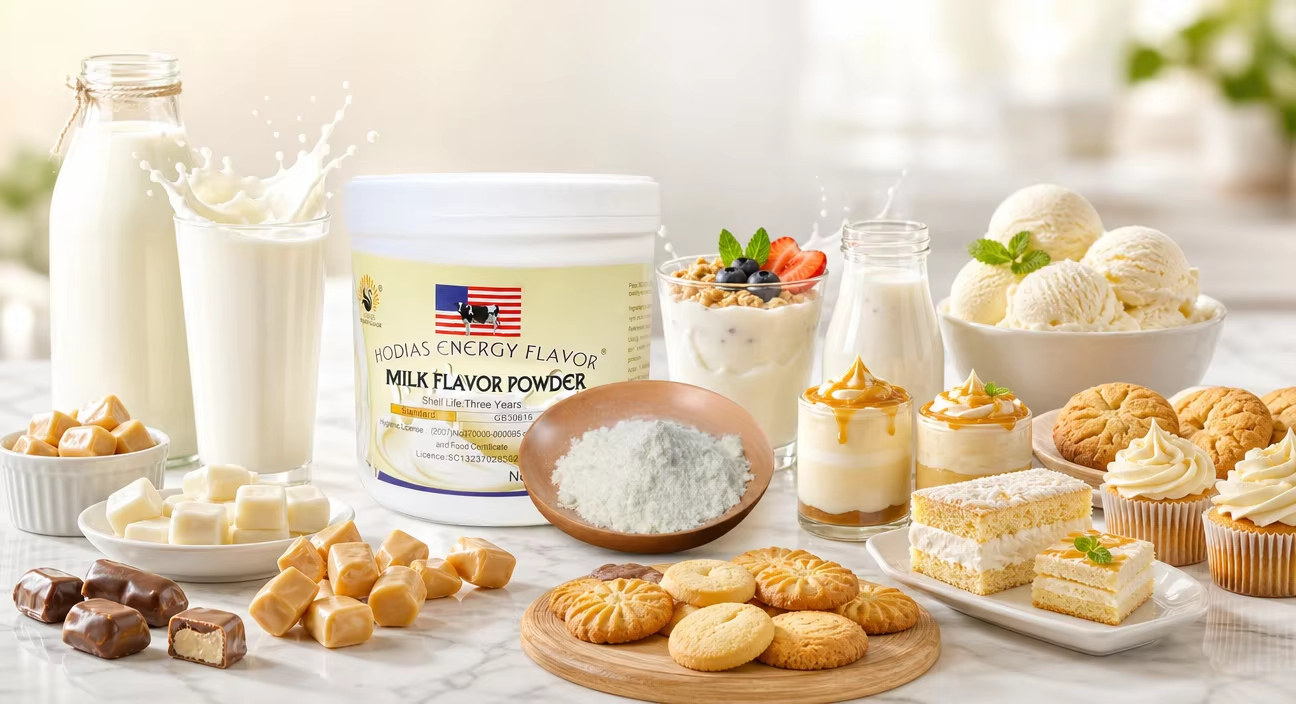
Coconut Flavor Powder for Bakery, Beverages and Confectionery
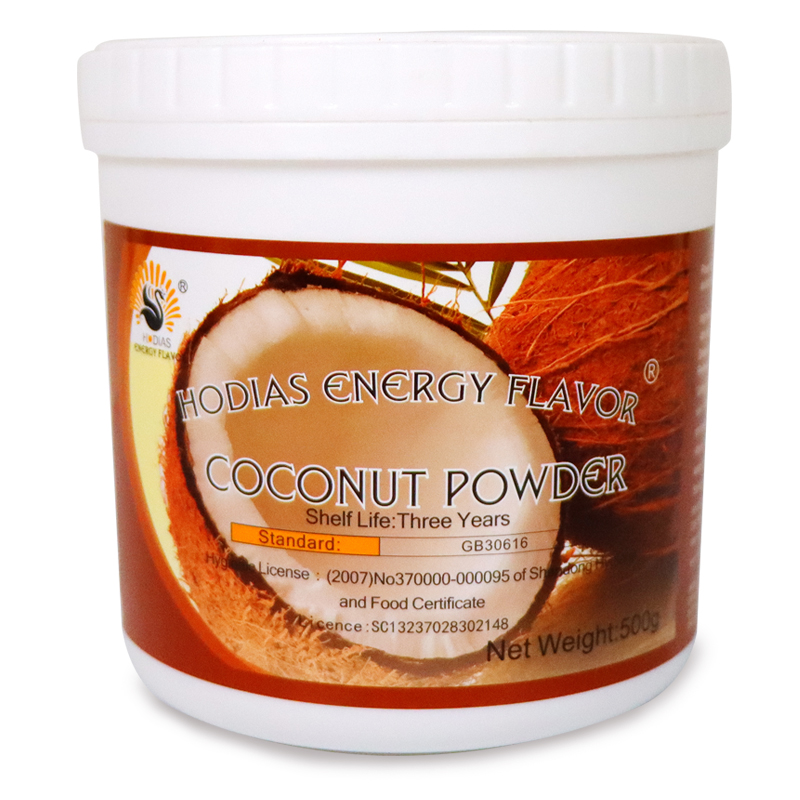
Coconut Flavor Powder: A Versatile Ingredient for Tropical Food Products
Coconut is a popular flavor in bakery products, confectionery, beverages, and desserts. Its sweet, nutty profile adds a tropical character to food formulations and complements ingredients such as chocolate, vanilla, fruit flavors, and shredded coconut.
Coconut flavor powder provides a convenient way for food manufacturers to incorporate coconut flavor into a variety of dry-mix and processed food applications. With a recommended dosage of 0.2%–0.8%, it can be incorporated into suitable formulations to help achieve the desired flavor intensity.
In this article, we explore the characteristics, applications, recommended usage, and formulation considerations of coconut flavor powder, along with a practical coconut cookie recipe.
What Is Coconut Flavor Powder?
Coconut flavor powder is a powdered food flavoring ingredient designed to deliver a sweet, nutty coconut flavor. It can be used in various food formulations where a coconut flavor profile is desired.
Its powdered form makes it suitable for applications that require the incorporation of flavoring into dry ingredients or powdered blends. Depending on the product formulation and processing conditions, it can be used in both bakery and cold-processed products.
Key Characteristics of Coconut Flavor Powder
-
Sweet, nutty flavor profile: Adds a recognizable coconut character to food products.
-
Versatile applications: Suitable for bakery products, confectionery, beverage mixes, and desserts.
-
Flexible dosage: A recommended starting range of 0.2%–0.8%, subject to formulation and sensory testing.
-
Suitable for product development: Helps manufacturers develop tropical-inspired products and distinctive flavor combinations.
-
Convenient powdered format: Can be blended directly into compatible dry formulations.
Applications of Coconut Flavor Powder in the Food Industry
Coconut flavor powder can be considered for a range of food manufacturing applications.
1. Bakery Products
Coconut flavor works well in cakes, cookies, biscuits, muffins, and other baked goods. It can complement butter, chocolate, vanilla, and shredded coconut, helping manufacturers develop products with a more pronounced coconut profile.
For industrial bakery production, dosage and processing conditions should be evaluated in the finished formulation to achieve the desired flavor balance.
2. Coconut Milk Powder and Beverage Mixes
Coconut flavor powder can be used in selected powdered beverage formulations, including coconut-flavored drink mixes and tropical beverage powders.
When developing coconut milk powder or similar products, manufacturers should distinguish between coconut flavoring and the main ingredients responsible for the product's body, texture, and nutritional composition. Flavoring contributes to the sensory profile but does not replace coconut solids or other functional ingredients.
3. Tropical Beverages
Coconut is a useful flavor direction for tropical drink mixes and other beverage concepts. It can also be combined with fruit flavors such as pineapple, mango, and banana to create distinctive tropical profiles.
The suitability of a particular coconut flavor powder depends on the beverage's processing conditions, solubility requirements, and final product format. Testing is recommended before commercial production.
4. Candy and Confectionery
Coconut flavor powder can be evaluated for candies, sweet confectionery, and other coconut-inspired treats. It may also be combined with chocolate or vanilla flavors to develop more complex flavor profiles.
For products exposed to elevated processing temperatures, manufacturers should verify flavor performance under their actual production conditions.
5. Asian-Style Desserts
Coconut is widely used in Asian-inspired dessert concepts, including coconut-flavored cakes, sweet dessert mixes, and other tropical-style treats.
Coconut flavor powder offers food developers another option for adjusting the coconut profile in powdered or processed dessert formulations.
Recommended Dosage and Usage Instructions
The recommended starting dosage for coconut flavor powder is 0.2%–0.8% of the total formulation, depending on the application and desired flavor intensity.
| Application | Suggested approach |
|---|---|
| Cookies and cakes | Blend with the dry ingredients or incorporate according to the formulation |
| Powdered beverage mixes | Mix thoroughly with compatible dry ingredients |
| Candy and confectionery | Evaluate dosage based on the product's sweetness and flavor profile |
| Cold-processed desserts | Disperse thoroughly and evaluate flavor distribution |
The appropriate dosage may vary according to the recipe, processing conditions, and the strength of the flavoring. Start with a small-scale trial and adjust based on sensory evaluation.
For dry formulations, mix the flavor powder evenly with other powdered ingredients before combining them with wet ingredients. For cold-processed products, confirm that the powder disperses adequately in the intended system.
Storage: Store in a light-protected, moisture-resistant environment. Keep the packaging tightly closed when not in use and follow the supplier's storage instructions.
Coconut Cookie Recipe Using Coconut Flavor Powder
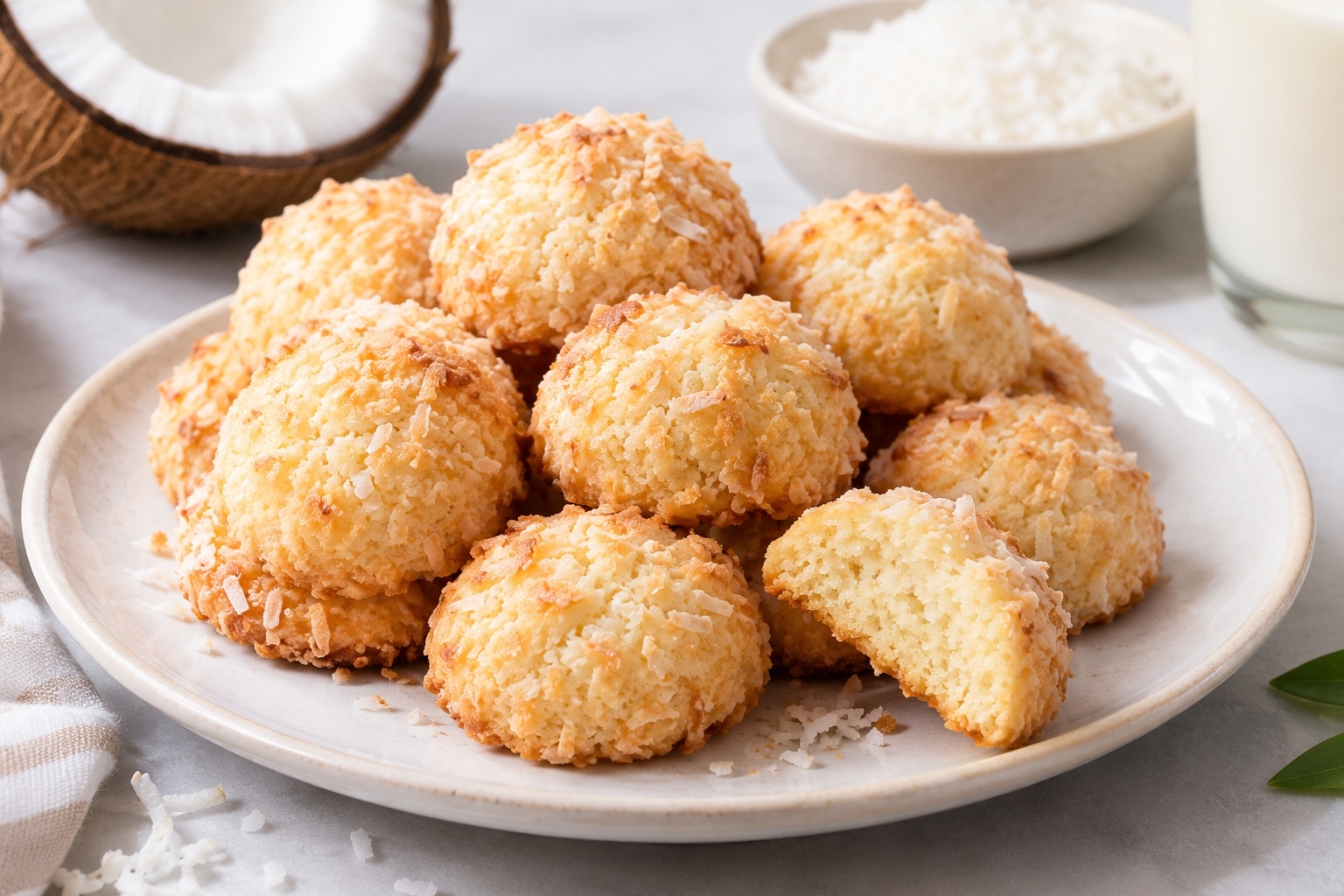
This coconut cookie recipe demonstrates how coconut flavor powder can be incorporated into a bakery formulation. It is suitable for small-scale product trials and can be adjusted for different flavor preferences.
Ingredients
-
All-purpose flour: 200 g
-
Coconut flavor powder: 2–4 g
-
Butter: 120 g
-
Sugar: 80 g
-
Shredded coconut: 50 g
-
Egg: 1
-
Milk: 10–20 ml, if needed to adjust dough consistency
The 2–4 g dosage equals approximately 1%–2% of the flour weight. This is higher than the general recommended dosage of 0.2%–0.8% stated above. For a trial that follows the general dosage range, consider starting with approximately 0.4–1.6 g and adjusting according to the total formulation and the product's flavor intensity.
Instructions
Step 1: Prepare the dry ingredients.
Combine the flour, 25 g of shredded coconut, and coconut flavor powder. Mix thoroughly to distribute the flavoring evenly.
Step 2: Cream the butter and sugar.
Allow the butter to soften at room temperature. Beat it with the sugar until the mixture becomes pale and fluffy.
Step 3: Add the egg.
Add the egg and mix until fully incorporated.
Step 4: Form the dough.
Gradually add the dry ingredients to the butter mixture and combine into a dough. If the dough is too crumbly to hold together, add 10–20 ml of milk gradually until the desired consistency is reached.
Step 5: Shape the cookies.
Roll the dough into small balls and coat them with the remaining 25 g of shredded coconut. Arrange the cookies evenly on a baking tray.
Step 6: Bake.
Bake at 170°C for approximately 12–18 minutes, or until the edges turn golden. If the shredded coconut browns too quickly, reduce the oven temperature to 165°C and monitor the cookies until done.
Formulation note: Baking time may vary with cookie size, oven performance, and dough moisture. For commercial production, conduct trials using the intended recipe and processing equipment.
How to Choose a Coconut Flavor Powder Supplier
For food manufacturers and ingredient buyers, choosing a suitable supplier involves more than comparing prices. Consider the following factors when evaluating coconut flavor powder.
-
Application suitability: Confirm whether the product is appropriate for your intended food category and processing conditions.
-
Flavor consistency: Ask about batch-to-batch quality management and the supplier's procedures for maintaining product consistency.
-
Technical support: Look for a supplier that can help evaluate dosage, flavor combinations, and formulation requirements.
-
Customization options: If your product requires a specific coconut profile, ask whether the supplier offers customized flavor development.
-
Sampling and evaluation: Test samples in your own formulation before moving to commercial production.
Coconut Flavor Powder Manufacturer: Hodias Group
Hodias Group has been developing food flavor solutions since 1994, serving food manufacturers and ingredient buyers with a range of flavor products.
With a dedicated R&D and design team of over 60 professionals, Hodias supports customers with flavor customization and product development based on their application requirements. The company also offers OEM/ODM services and free samples for evaluation, with shipping costs paid by the buyer.
For manufacturers developing coconut-flavored bakery products, beverage mixes, confectionery, or tropical dessert concepts, working with a food flavor supplier can help streamline flavor evaluation and product development.
Contact Hodias Group to discuss your target coconut profile, application, and customization requirements.
Conclusion
Coconut flavor powder offers food manufacturers a versatile option for developing tropical-inspired bakery products, powdered beverages, confectionery, and desserts. Its sweet, nutty profile can complement a variety of ingredients, while the recommended starting dosage of 0.2%–0.8% provides a basis for formulation trials.
For the best results, evaluate the flavor powder in your actual recipe, adjust the dosage based on sensory results, and confirm its performance under your production conditions.
If you are sourcing coconut flavor powder for food manufacturing, contact Hodias Group to explore suitable flavor solutions for your application.
Frequently Asked Questions
1. What is coconut flavor powder used for?
Coconut flavor powder can be used in cakes, cookies, powdered beverage mixes, candies, and selected Asian-style desserts. The suitability of the product depends on the specific formulation and processing conditions.
2. What is the recommended dosage of coconut flavor powder?
The general recommended starting dosage is 0.2%–0.8% of the total formulation. The final amount should be determined through application testing and sensory evaluation.
3. Can coconut flavor powder be used in baked goods?
Yes. It can be evaluated for cookies, cakes, muffins, and other bakery products. Test the flavor powder in the intended recipe to determine the appropriate dosage and flavor performance after baking.
4. Can coconut flavor powder be used in cold-processed products?
It can be suitable for selected cold-processed applications. However, dispersion, solubility, and flavor distribution should be checked in the specific product system.
5. How should coconut flavor powder be stored?
Store it in a light-protected, moisture-resistant environment. Keep the package tightly closed and follow the supplier's specific storage recommendations.
6. Can Hodias Group provide customized coconut flavor solutions?
Hodias Group offers flavor customization and OEM/ODM services. Contact the team with your target flavor profile, application, and processing requirements to discuss a suitable solution.
Chocolate Flavor Powder for Bakery, Ice Cream and Confectionery
Orange Flavor Powder: Applications, Benefits, and Baking Tips