Synthetic Flavor Vs Natural Flavor: Key Differences
Food flavors play an essential role in creating the taste and aroma consumers expect from food and beverage products. When developing a product, manufacturers often choose between synthetic flavors and natural flavors. Understanding the differences between these two types of flavors can help businesses select the most suitable option for their applications.
What Is A Natural Flavor?
Natural flavors are derived from plant or animal sources through physical, enzymatic, or microbiological processes. The flavor compounds originate from naturally occurring materials such as fruits, vegetables, spices, herbs, or dairy ingredients.
Natural flavors are commonly used in:
-
Beverages
-
Dairy products
-
Confectionery
-
Bakery products
-
Snack foods
Manufacturers often select natural flavors when product positioning emphasizes naturally sourced ingredients.
What Is A Synthetic Flavor?
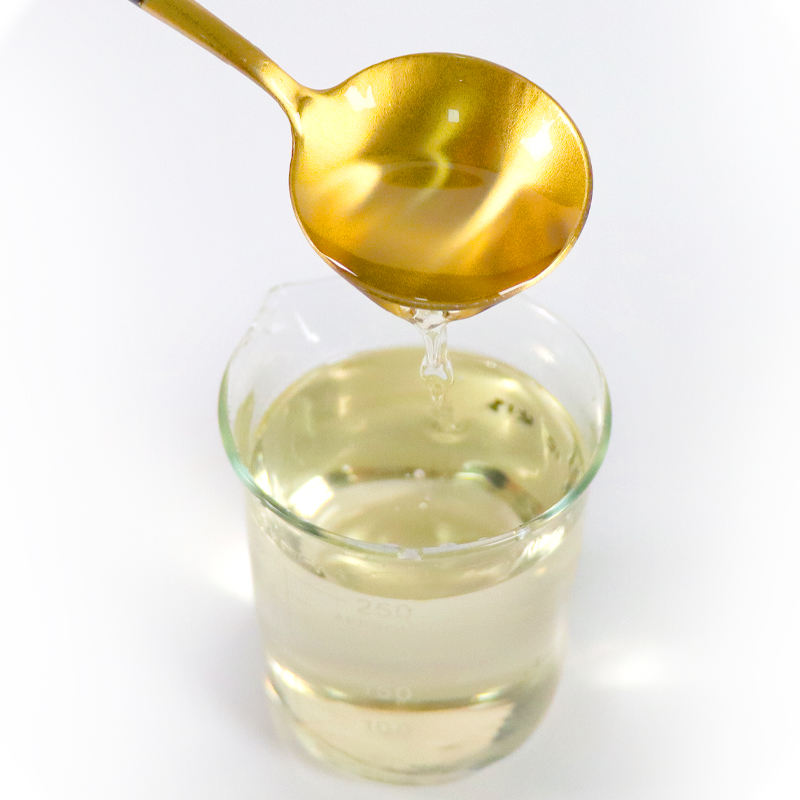
Synthetic flavors are produced through controlled manufacturing processes that create specific flavor compounds. These flavors are designed to deliver consistent taste and aroma profiles while meeting food industry requirements.
Synthetic flavors are widely used in:
-
Bakery products
-
Candies and confectionery
-
Beverages
-
Dairy products
-
Instant drink powders
-
Seasonings and sauces
They are valued for their stability, consistency, and versatility across a wide range of applications.
Key Differences Between Synthetic And Natural Flavors
| Aspect | Natural Flavor | Synthetic Flavor |
|---|---|---|
| Source | Derived from natural raw materials | Produced through controlled manufacturing processes |
| Flavor Consistency | May vary due to seasonal and raw material differences | Highly consistent from batch to batch |
| Cost | Generally higher | Generally more cost-effective |
| Supply Stability | Dependent on agricultural resources and availability | More stable and predictable supply |
| Heat Stability | Varies by flavor type | Often designed for enhanced processing stability |
| Product Development | Suitable for specific market positioning | Suitable for a wide range of food applications |
Flavor Performance In Food Manufacturing
When selecting a flavor solution, manufacturers should evaluate more than just the source of the flavor. Important considerations include:
-
Product formulation
-
Processing temperature
-
Shelf life requirements
-
Flavor intensity
-
Cost targets
-
Market positioning
-
Regulatory requirements
In many food applications, flavor performance and product consistency are key factors in achieving long-term success.
Which Option Is Right For Your Product?
There is no universal answer. The best choice depends on your product goals, target market, and production requirements.
Natural flavors may be preferred for products emphasizing naturally sourced ingredients, while synthetic flavors are often selected for their consistency, cost efficiency, and stable performance in large-scale food manufacturing.
Many manufacturers evaluate multiple flavor options during product development to determine which solution best meets their specific needs.
Working With The Right Flavor Supplier
Choosing a reliable flavor manufacturer can simplify product development and improve production efficiency. An experienced supplier can provide technical support, flavor recommendations, and customized solutions tailored to your application.
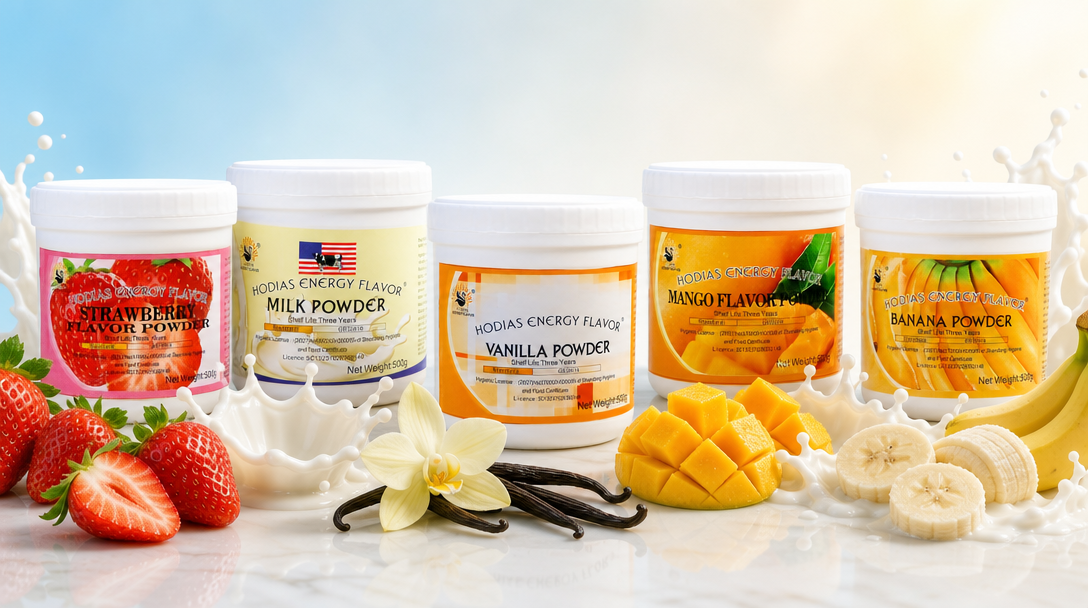
At Hodias Group, we offer a wide range of food flavor solutions for beverages, bakery products, dairy products, confectionery, seasonings, and more. Our professional R&D team supports customized flavor development to help customers achieve their desired taste profiles.
Contact us today to request a free sample and discuss your flavor requirements.
Common Applications Of Fruit Flavors In The Food Industry
How To Enhance Dairy Product Taste With Food Flavors