What Is Ethyl Maltol And Why Is It Important In Food Production?
Introduction
In food manufacturing, flavor is one of the most important factors influencing consumer preference and product success. To create appealing products with rich aroma and balanced taste, manufacturers often use flavor-enhancing ingredients that improve the overall sensory experience.
One of the most widely used aroma enhancers in the food industry is Ethyl Maltol. Known for its ability to enhance sweetness perception, improve aroma, and harmonize flavor profiles, Ethyl Maltol has become an essential ingredient in many food and beverage applications.
This article explains what Ethyl Maltol is, how it works, and why it plays an important role in modern food production.
What Is Ethyl Maltol?
Ethyl Maltol is a highly effective flavor and aroma enhancer commonly used in food processing.
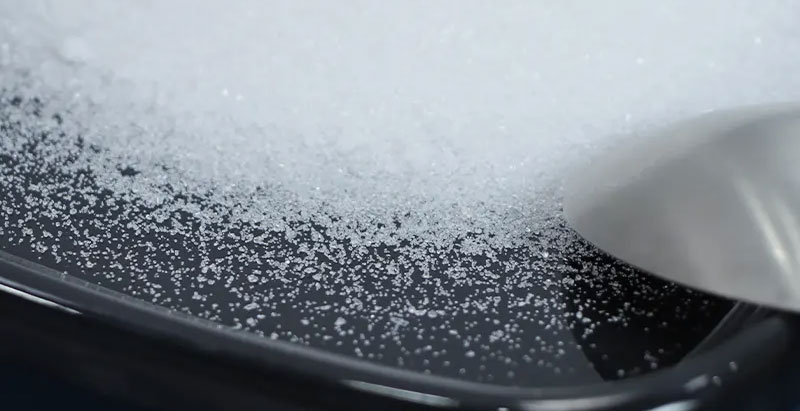
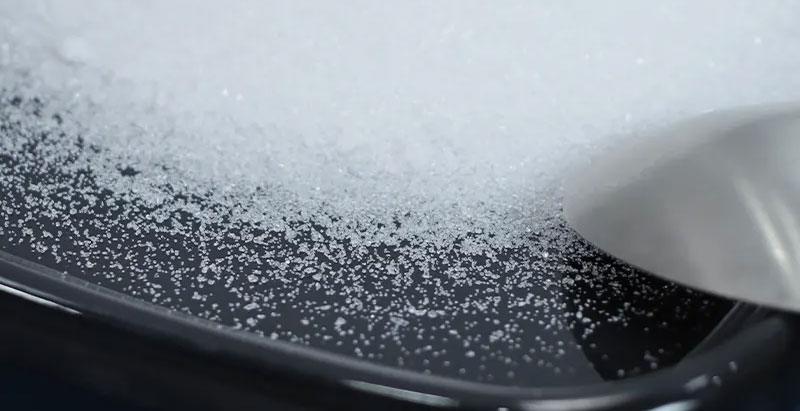
It appears as a white crystalline powder and is known for its pleasant sweet aroma. Compared with traditional flavor-enhancing ingredients, Ethyl Maltol provides stronger aroma performance and a more noticeable flavor-enhancing effect at low usage levels.
Because of its excellent stability and versatility, Ethyl Maltol is widely applied across numerous food categories.
How Does Ethyl Maltol Work?
Ethyl Maltol does not simply add sweetness or flavor. Instead, it enhances and balances existing flavor components within a food product.
Its primary functions include:
Enhancing Aroma
Ethyl Maltol helps strengthen the overall aroma profile of food products, making flavors appear richer and more attractive.
Improving Sweetness Perception
Although it is not a sweetener, Ethyl Maltol can enhance the perception of sweetness and improve flavor balance.
This allows manufacturers to create products with a smoother and more pleasant taste experience.
Reducing Off-Notes
In certain formulations, Ethyl Maltol can help mask undesirable odors or unpleasant flavor notes.
This contributes to a cleaner and more harmonious flavor profile.
Improving Overall Flavor Harmony
By helping different flavor components blend more effectively, Ethyl Maltol creates a more rounded and balanced taste.
This is one of the reasons it is widely used in complex food formulations.
Key Benefits Of Ethyl Maltol In Food Production
1. Strong Aroma Enhancement
One of the biggest advantages of Ethyl Maltol is its excellent aroma-enhancing capability.
It helps food manufacturers:
-
Improve flavor intensity
-
Increase product appeal
-
Enhance sensory performance
Even small amounts can significantly improve the overall aroma experience.
2. Cost-Effective Flavor Improvement
Because Ethyl Maltol is highly concentrated and effective at low dosage levels, it provides an economical way to improve product flavor performance.
Manufacturers can achieve better sensory results without substantially increasing formulation costs.
3. Excellent Stability
Food manufacturing often involves demanding processing conditions.
Ethyl Maltol offers:
-
Good processing stability
-
Reliable performance during manufacturing
-
Consistent flavor enhancement
Its stability makes it suitable for a wide range of food applications.
4. Versatile Applications
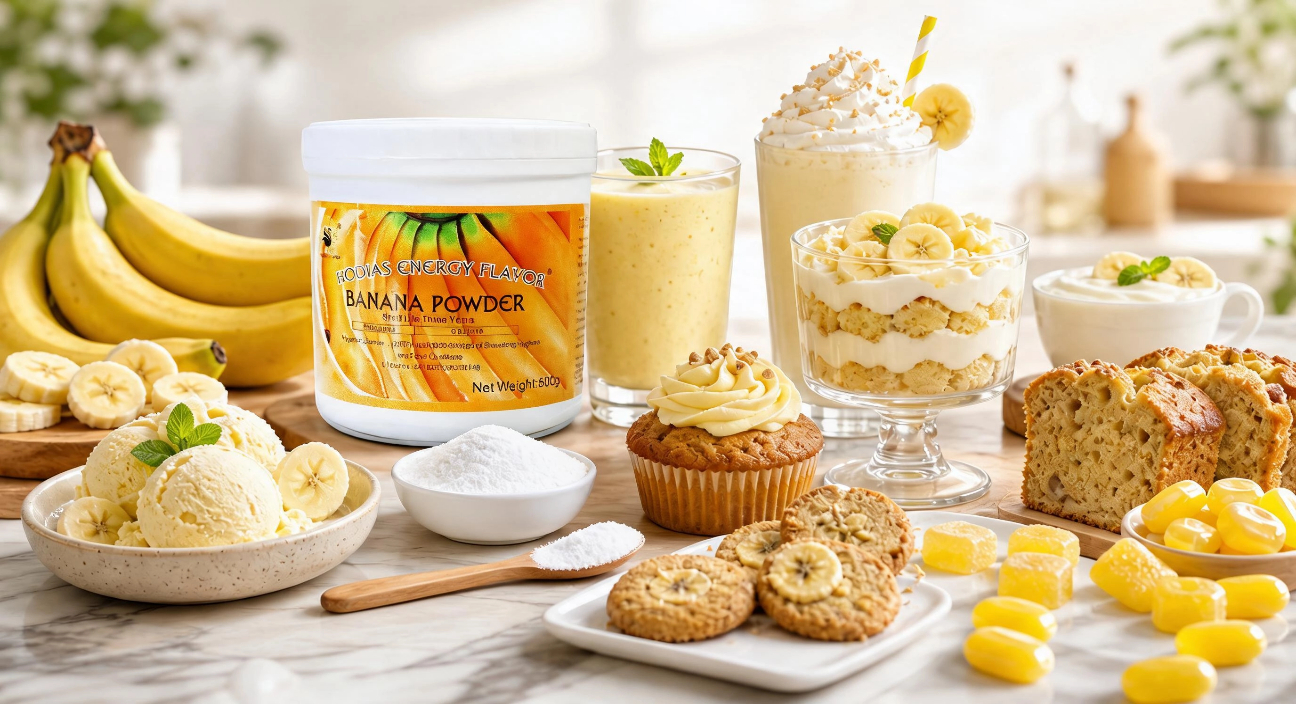
Ethyl Maltol can be used across many food and beverage categories, making it a valuable ingredient for manufacturers developing diverse product lines.
Common Applications Of Ethyl Maltol
Confectionery Products
Ethyl Maltol is widely used in:
-
Hard candies
-
Soft candies
-
Chocolate products
-
Chewing gum
It helps create a richer aroma and a more enjoyable flavor experience.
Bakery Products
Applications include:
-
Cakes
-
Cookies
-
Biscuits
-
Pastries
Ethyl Maltol enhances aroma and improves overall flavor balance in baked goods.
Beverages
Used in:
-
Fruit beverages
-
Dairy drinks
-
Tea beverages
-
Functional beverages
It helps create a smoother and more appealing flavor profile.
Dairy Products
Suitable for:
-
Yogurt
-
Ice cream
-
Milk beverages
-
Dairy desserts
Ethyl Maltol can improve flavor richness and consumer acceptance.
Seasonings And Savory Products
It is also commonly applied in:
-
Compound seasonings
-
Instant foods
-
Snack seasonings
-
Processed food products
By improving aroma and reducing unwanted notes, Ethyl Maltol contributes to a more attractive final product.
Why Food Manufacturers Choose High-Quality Ethyl Maltol
The performance of Ethyl Maltol depends heavily on product quality and purity.
High-quality Ethyl Maltol offers:
-
Better aroma performance
-
Consistent product quality
-
Improved application stability
-
Reliable production results
For manufacturers producing large volumes of food products, choosing a trusted supplier is essential for maintaining consistent product quality.
Hodias Ethyl Maltol Solution
Hodias Group supplies high-quality Ethyl Maltol for various food applications.
Key features include:
-
Purity ≥ 99.5%
-
White crystalline powder
-
Excellent aroma-enhancing performance
-
Stable processing performance
-
Suitable for a wide range of food products
With advanced manufacturing capabilities and strict quality control systems, Hodias provides reliable ingredient solutions for food manufacturers worldwide.
Why Partner With Hodias Group?
Founded in 1994, Hodias Group specializes in food flavors, food additives, compound seasonings, and customized food ingredient solutions.
Our advantages include:
✔ More than 30 years of manufacturing experience
✔ Modern production facilities in Qingdao, China
✔ Professional R&D team with over 60 specialists
✔ Strict quality management systems
✔ OEM and customized solutions
✔ Free samples available for testing
We work closely with food manufacturers to develop ingredient solutions that improve product quality and market competitiveness.
Conclusion
Ethyl Maltol is one of the most effective aroma and flavor enhancers used in modern food production. Its ability to enhance aroma, improve sweetness perception, reduce off-notes, and create balanced flavor profiles makes it an important ingredient across many food categories.
For manufacturers seeking to improve product appeal and flavor performance, high-quality Ethyl Maltol can be a valuable addition to their formulations.
How To Enhance Dairy Product Taste With Food Flavors
Powder Flavor vs Liquid Flavor | Complete Guide For Food Manufacturers