Liquid, Powdered, and Oil-Based Flavors: What’s the Difference and How to Choose?
In the food manufacturing industry, selecting the right type of flavor is essential for achieving consistent product quality, excellent sensory performance, and efficient production processes. Among the most commonly used food flavorings are liquid flavors, powdered flavors, and oil-based flavors. Each type offers unique advantages depending on the application, formulation requirements, and processing conditions.
Understanding their differences can help manufacturers make the best choice for their products.
What Are Powdered Flavors?
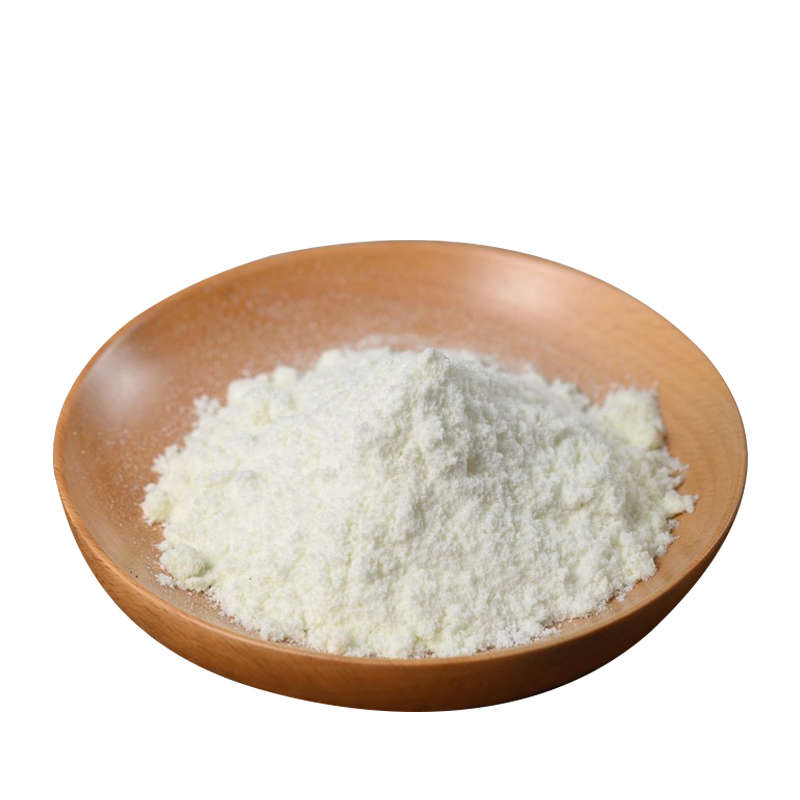
Powdered flavors are produced through advanced drying technologies that convert liquid flavor compounds into stable powder form.
They are especially suitable for dry food applications and products requiring longer shelf life and convenient storage.
Key Advantages of Powdered Flavors:
- Excellent shelf stability
- Easy transportation and storage
- Good heat resistance
- Accurate dosage control
- Suitable for dry blending systems
Typical Applications:
- Instant beverage powders
- Snack seasonings
- Biscuit premixes
- Dry soup bases
- Bakery premixes
Powdered flavors are ideal for manufacturers looking for stability, convenience, and process efficiency.
What Are Liquid Flavors?
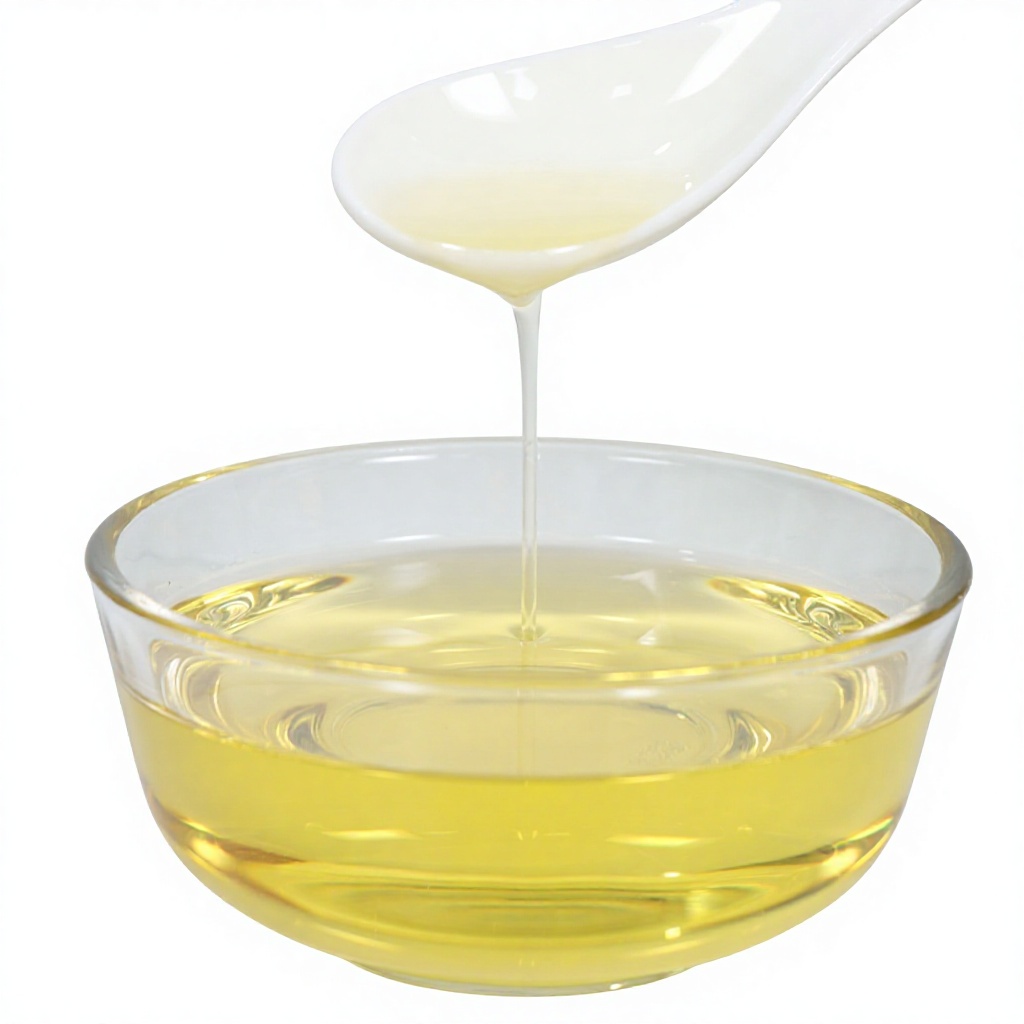
Liquid flavors are typically water-based or alcohol-based flavoring solutions designed for easy blending and rapid flavor release.
They are widely used in food systems that require quick dispersion and uniform mixing, especially in water-based formulations.
Key Advantages of Liquid Flavors:
- Easy to blend into formulations
- Fast flavor release
- Flexible dosage adjustment
- Ideal for continuous industrial processing
Typical Applications:
- Beverages
- Dairy products
- Ice cream
- Syrups
- Soft candies
- Bakery fillings
Liquid flavors are an excellent choice for manufacturers seeking efficient mixing and immediate flavor performance.
What Are Oil-Based Flavors?
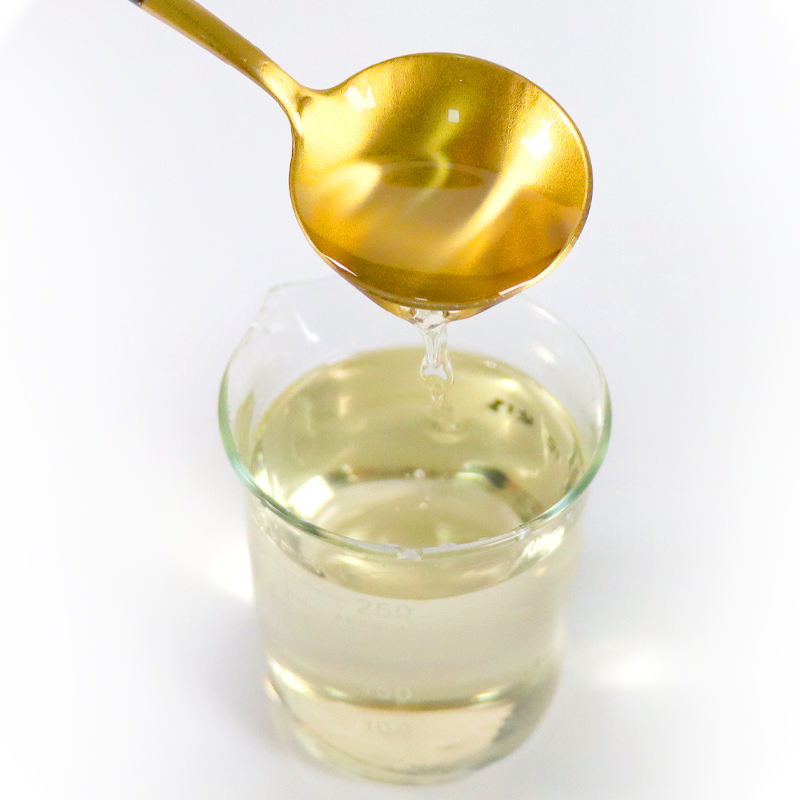
Oil-based flavors are formulated with oil-soluble carriers, making them highly suitable for fat-based and high-temperature applications.
They offer excellent aroma retention and superior heat resistance during intensive processing.
Key Advantages of Oil-Based Flavors:
- Excellent thermal stability
- Long-lasting aroma retention
- High concentration
- Outstanding performance in oil and fat systems
Typical Applications:
- Chocolate products
- Hard candy
- Baked goods
- Fried snacks
- Cream fillings
- Confectionery products
Oil-based flavors are the preferred solution for manufacturers producing high-fat or high-temperature processed foods.
Key Differences at a Glance
| Feature | Liquid Flavor | Powdered Flavor | Oil-Based Flavor |
|---|---|---|---|
| Solubility | Water-soluble | Dry dispersible | Oil-soluble |
| Heat Resistance | Moderate | High | Very High |
| Shelf Life | Medium | Long | Long |
| Flavor Release | Fast | Controlled | Sustained |
| Best For | Beverages & dairy | Dry mixes & snacks | Bakery & confectionery |
How to Choose the Right Flavor Type
When selecting a flavor format, manufacturers should consider:
Product Formula
Water-based, dry, or fat-based systems require different flavor carriers.
Processing Conditions
Temperature, mixing method, and production speed influence flavor stability.
Desired Flavor Performance
Immediate impact, gradual release, or long-lasting aroma retention may determine the best choice.
Storage and Transportation Requirements
Shelf stability and logistics efficiency are also critical factors.
Customized Flavor Solutions for Food Manufacturers
At Hodias Group, we provide liquid, powdered, and oil-based food flavorings tailored to diverse industrial applications.
With over 60 R&D specialists, advanced production facilities, and certified quality systems including ISO9001, ISO14001, ISO45001, ISO50001, HACCP, BRC, and FDA, we deliver customized flavor solutions designed to meet the specific needs of global food manufacturers.
Contact us today to discover the right flavor solution for your products.
Fresh Strawberry Liquid Flavor for Beverages Dairy Bakery Applications